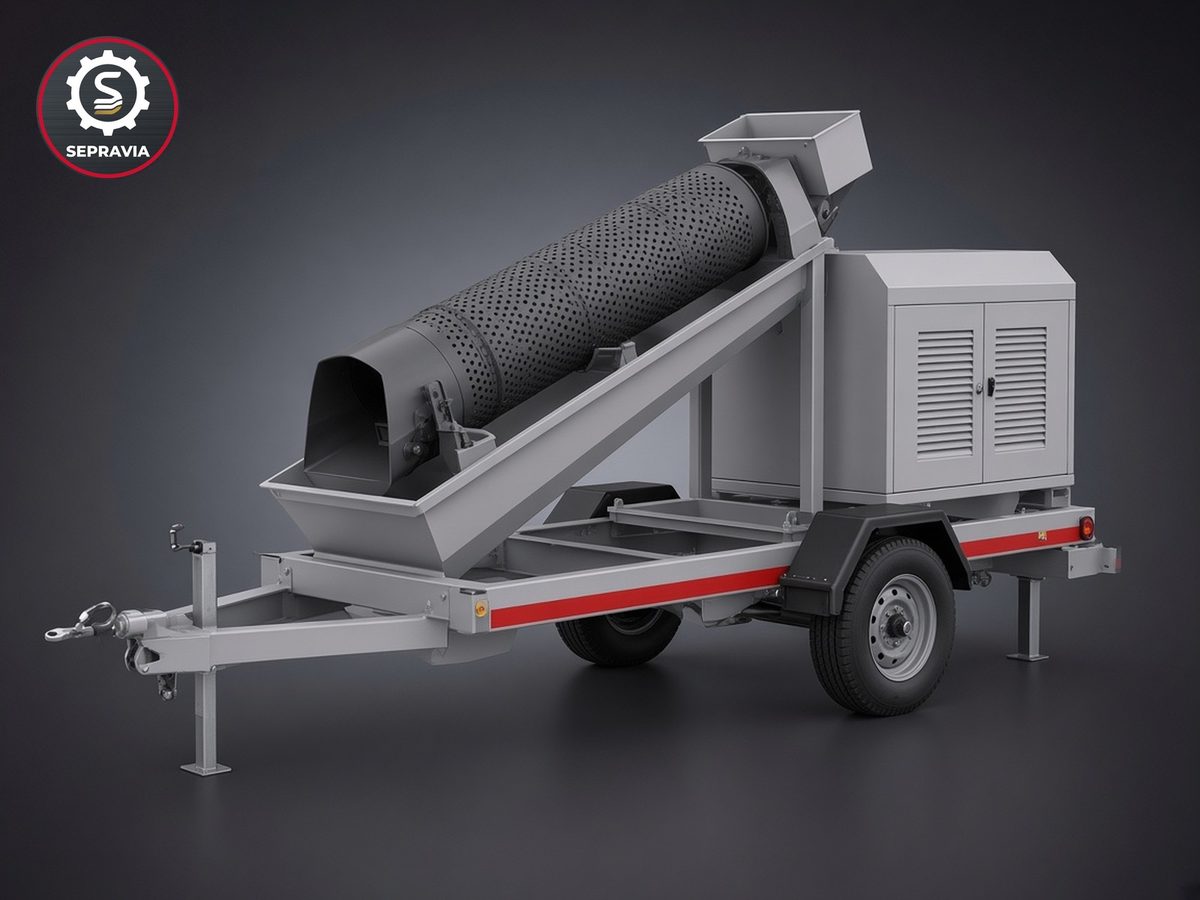
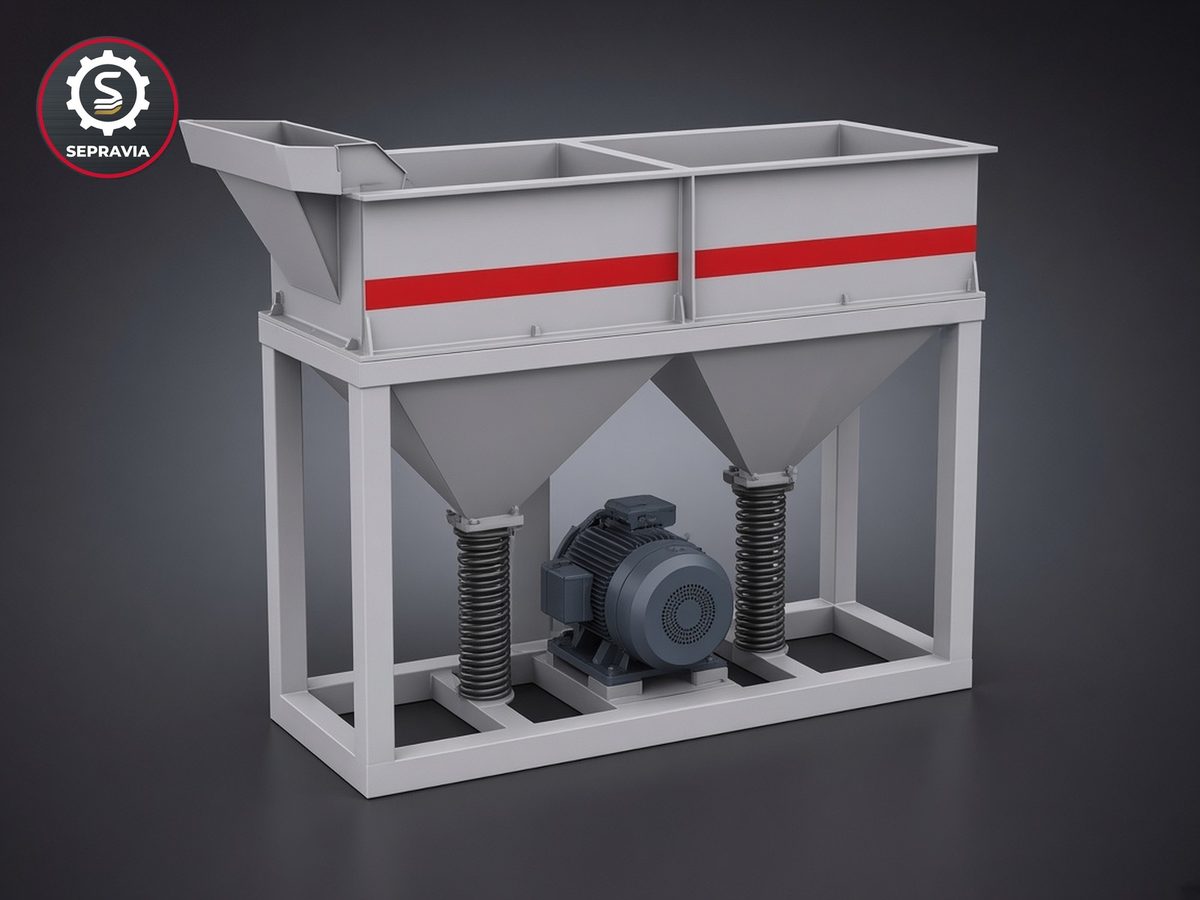
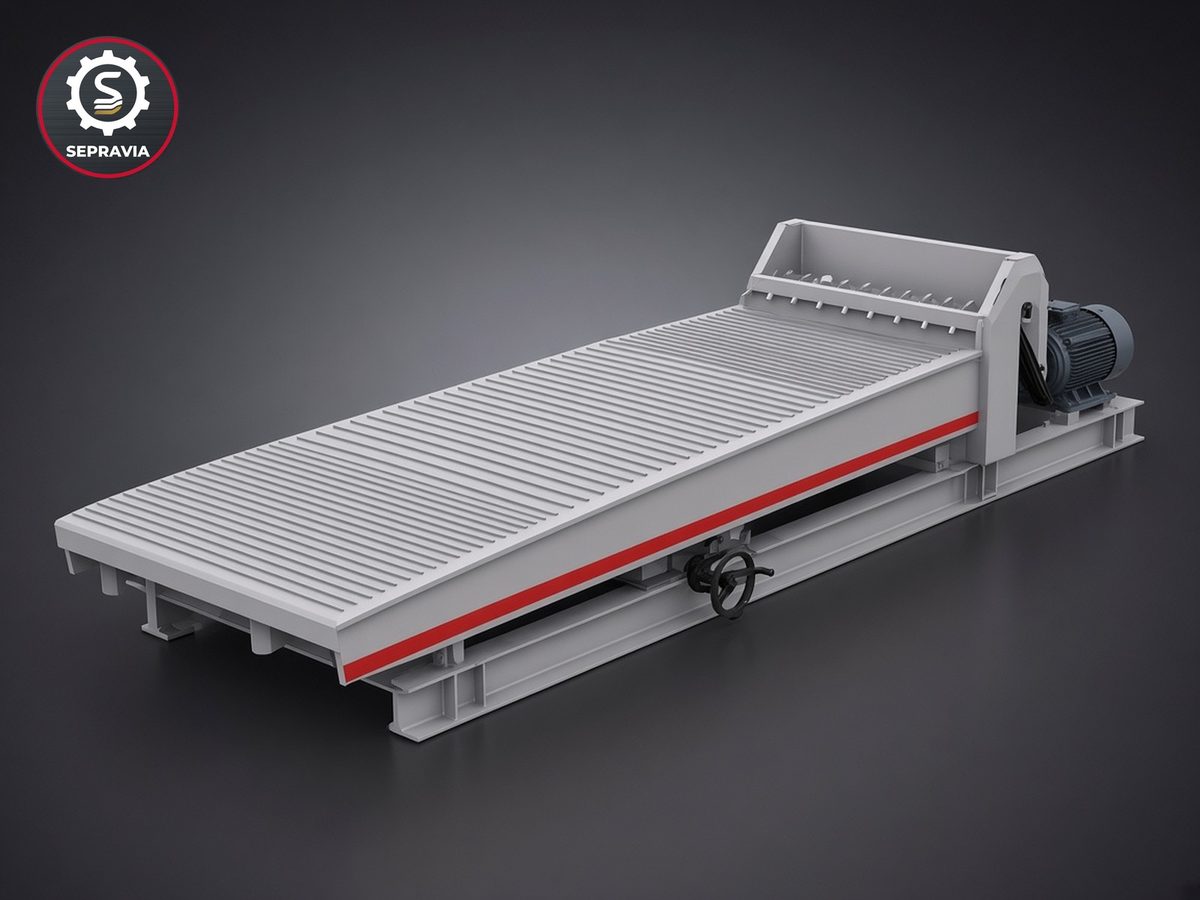
A small processing plant may need a modest budget, but it still goes through every essential step. Many projects run into trouble not because of the equipment but because of the early work: an unrepresentative sample, a wrong capacity estimate, or water and power that were never properly worked out. Here are the main steps, in the order a project normally follows.
- 01Sampling & testsRepresentative samples, testwork
- 02Process designFlowsheet, mass & water balance
- 03Equipment sizingCapacity, selection, quotation
- 04Site, water, powerSiting, supply, roads↳ Permits run in parallel
- 05Supply & shippingBuilt to order, shipped
- 06Install & commissionSingle, linked and load tests
- 07Training & operationProcedures, sampling & assays
Step 1: Take a representative sample and run testwork
Testwork is the basis of the flowsheet. The sample has to represent the ore you will actually mine: take material from different zones and depths and blend it in proportion, rather than picking the best-looking pieces. Laboratory testwork typically needs a few tens of kilograms of representative sample and pilot testing needs more; the laboratory will specify the amount for the programme.
Testwork usually covers multi-element chemical analysis, mineralogy and liberation size, sieve analysis, and targeted gravity, flotation, magnetic or leach tests. The results tell you which process suits the ore, how fine it needs to be ground and roughly what concentrate you can expect. Alluvial deposits such as placer gold or tin need sampling too, with the focus on clay content, size distribution and the size of the valuable minerals — these decide the washing and roughing equipment.
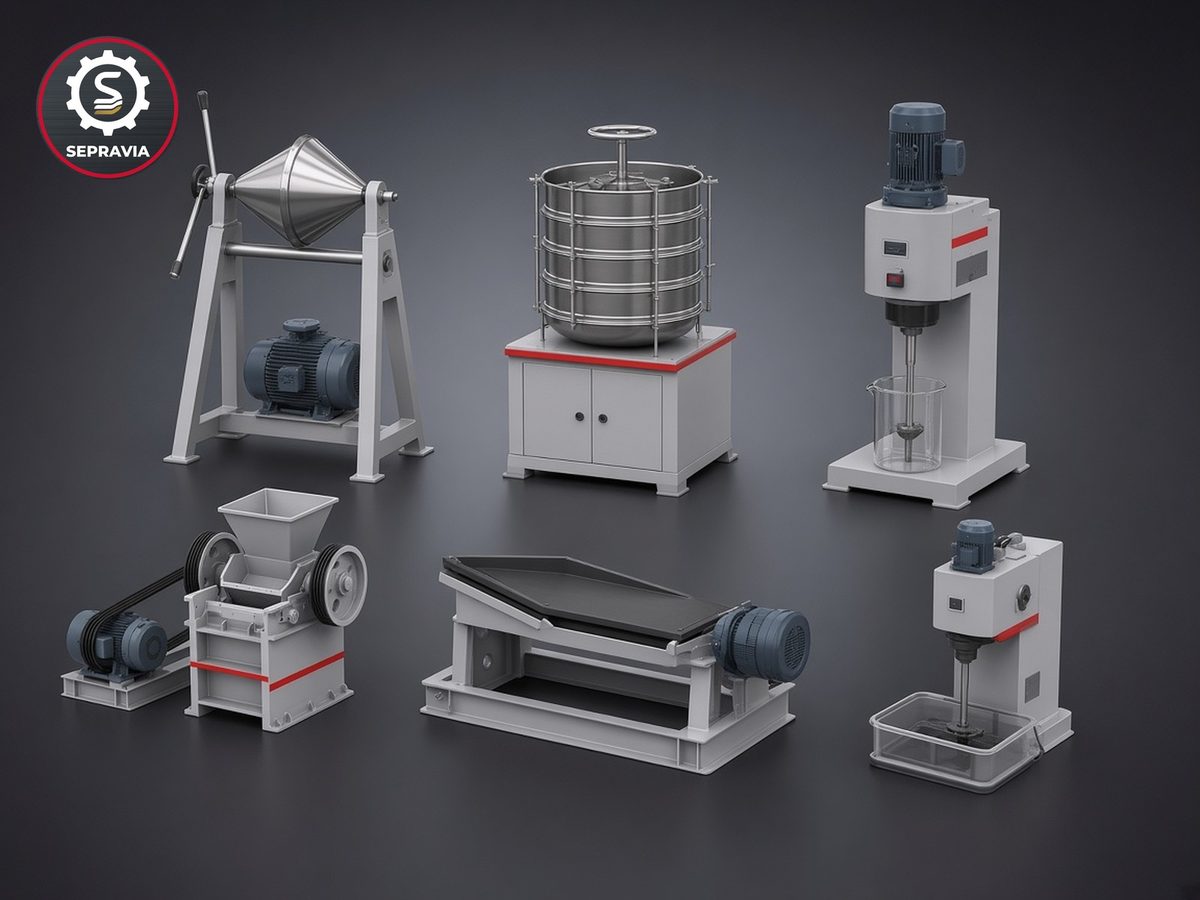
Step 2: Process design
Based on the testwork, the flowsheet is fixed and the mass and water balances are calculated, producing the process flow diagram, the equipment list and the plant layout. A few points matter especially for small plants: use the slope of the ground so slurry flows by gravity and fewer slurry pumps are needed; leave some margin on key equipment; and build in sampling points to make day-to-day control easier.
Step 3: Fix the capacity and size the equipment
Capacity is usually quoted in tonnes per day, but equipment is sized in tonnes per hour. The crushing section might run one or two shifts while grinding and separation run around the clock, so their hourly rates differ and an ore bin sits in between as a buffer. Each section must match the next, so that no single machine becomes the bottleneck of the line. Before sizing, it helps to have the following information ready:
| Item | What to provide |
|---|---|
| Ore type and grade | Main valuable minerals, approximate grade, harmful impurities |
| Feed size | Maximum lump size; for alluvials, clay content and size distribution |
| Throughput | Planned t/d and the shift pattern of each section |
| Target product | Required concentrate grade; drying or further treatment |
| Site conditions | Terrain, altitude, climate, water and power |
| Access | Roads, port, size and weight limits for single loads |
Step 4: Site, water and power
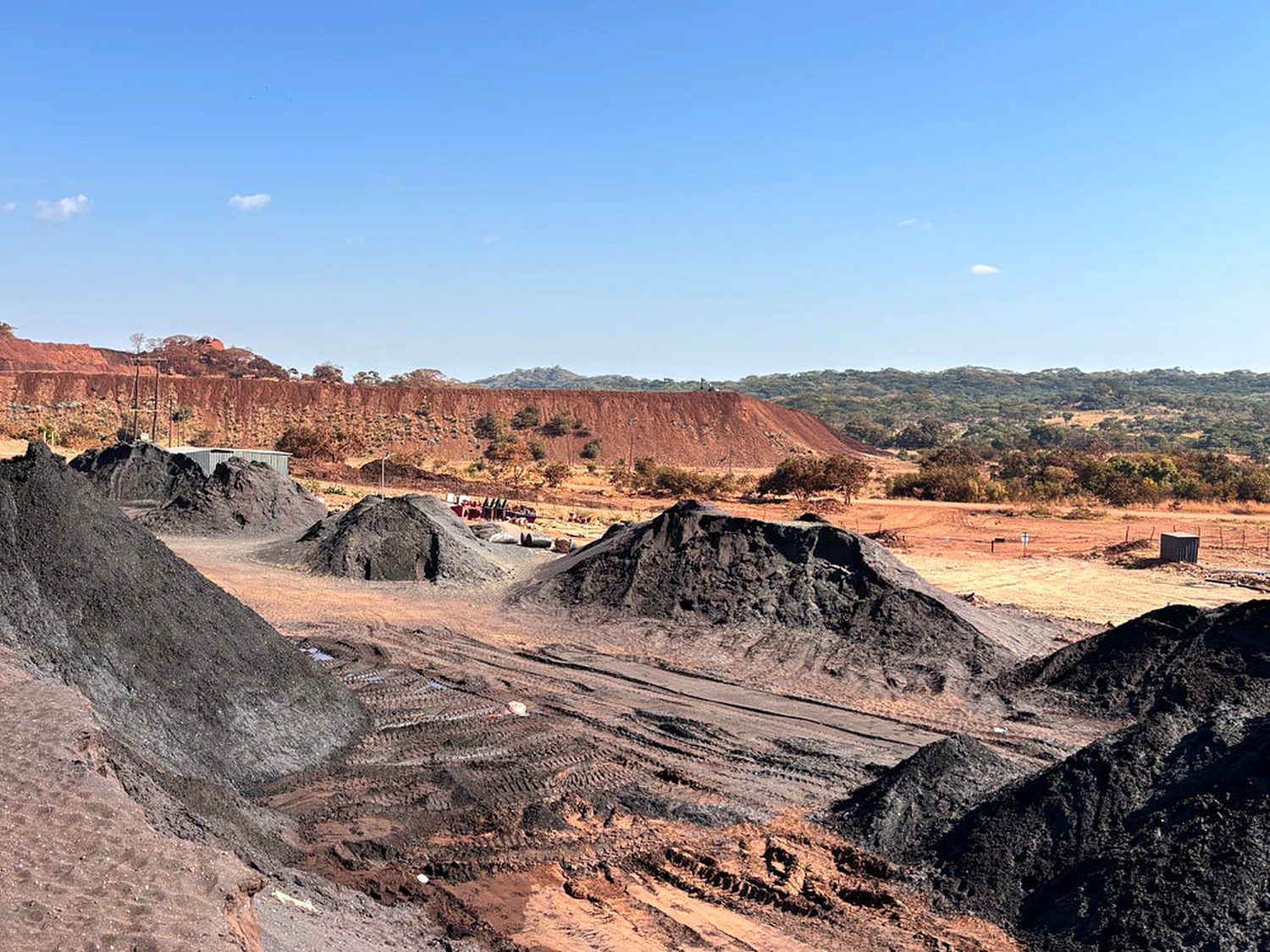
When choosing the site, weigh several things together: closeness to the ore to cut haulage; a reliable water source and room for settling ponds or a tailings facility; ground that allows gravity-flow pipework; and roads that can take the equipment deliveries. For power, add up the installed load and the running load of all equipment, then decide between a grid connection and diesel generator sets; remote sites often use diesel-driven mobile equipment as an interim solution. For water, design for recycling wherever possible to reduce fresh-water use.
Step 5: Permits and compliance
Both mining and building a plant must comply with local law. Typical items include mining rights, environmental assessment, land use, water use and work safety. In Indonesia, for example, a mining business generally needs a mining business licence (IUP, Izin Usaha Pertambangan); small-scale community mining falls under other categories such as the IPR (Izin Pertambangan Rakyat), and the matching environmental documents (such as AMDAL or UKL-UPL) are required. Rules change over time, so always follow the latest requirements of the local authorities and consult a local professional adviser. This article is general information only and is not legal advice.
Start the slow and uncertain items, such as approvals, as early as possible and run them in parallel with testwork and design.
Step 6: Procurement, production and shipping
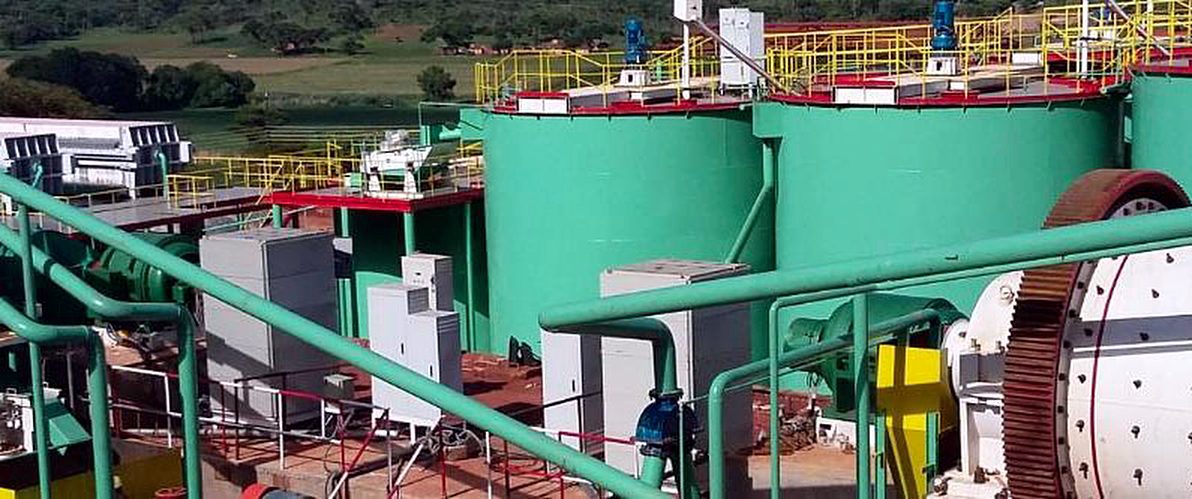
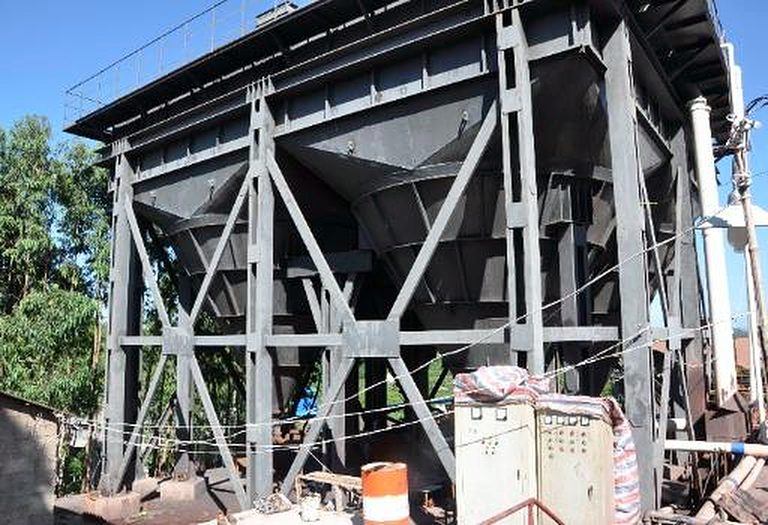
Once the equipment list is final, it moves to quotation and contract; the lead time, payment terms, packing and shipping method should all be written into the contract. Export equipment usually travels in containers or as break-bulk, and oversized items need their dimensions and site lifting arrangements confirmed in advance. It is wise to buy a set of wear parts at the same time — screen panels, liners, table deck surfacing, hoses and so on — so the plant is not stopped early on for want of a small part.
Step 7: Installation and commissioning
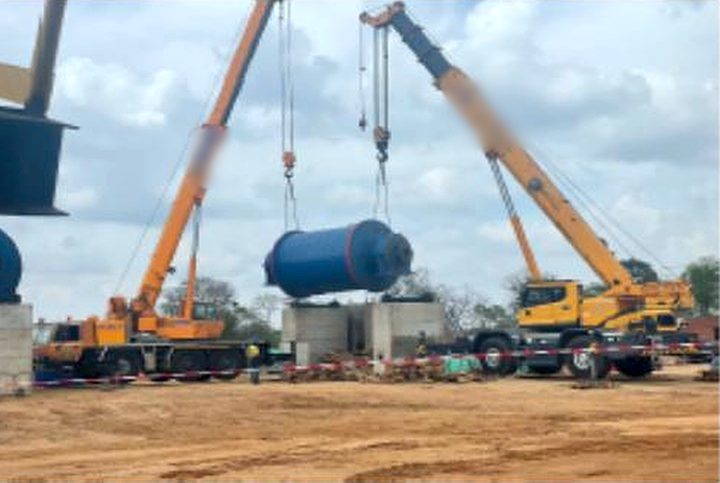
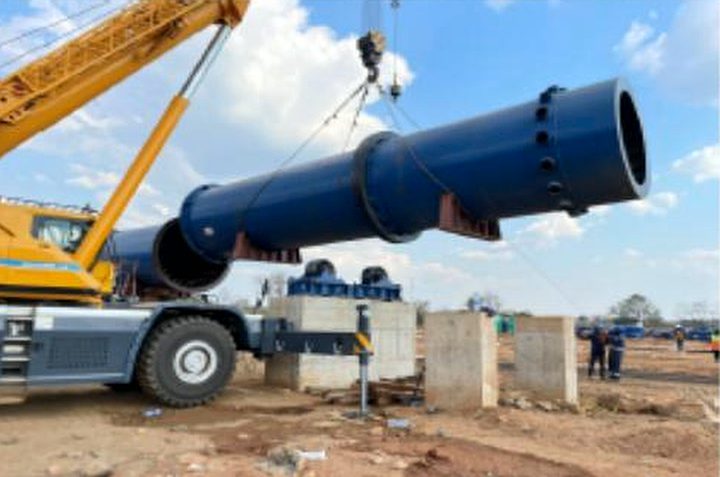
Foundations should be finished before the equipment arrives, built to the foundation drawings. Installation usually follows the process from front to back. Commissioning has three stages: no-load tests of each machine to confirm rotation, lubrication and electrics; linked no-load tests to check that material and slurry flow freely through the line; and load commissioning, bringing feed up gradually and tuning settings to the design point.
Step 8: Training and operation
Operators should be trained before start-up: operating procedures for each machine, safety, daily checks and handling common faults. Once running, set up a routine of sampling and assaying, and regularly reconcile throughput, grade and recovery, so that adjustments are guided by data rather than guesswork.
How SEPRAVIA can help
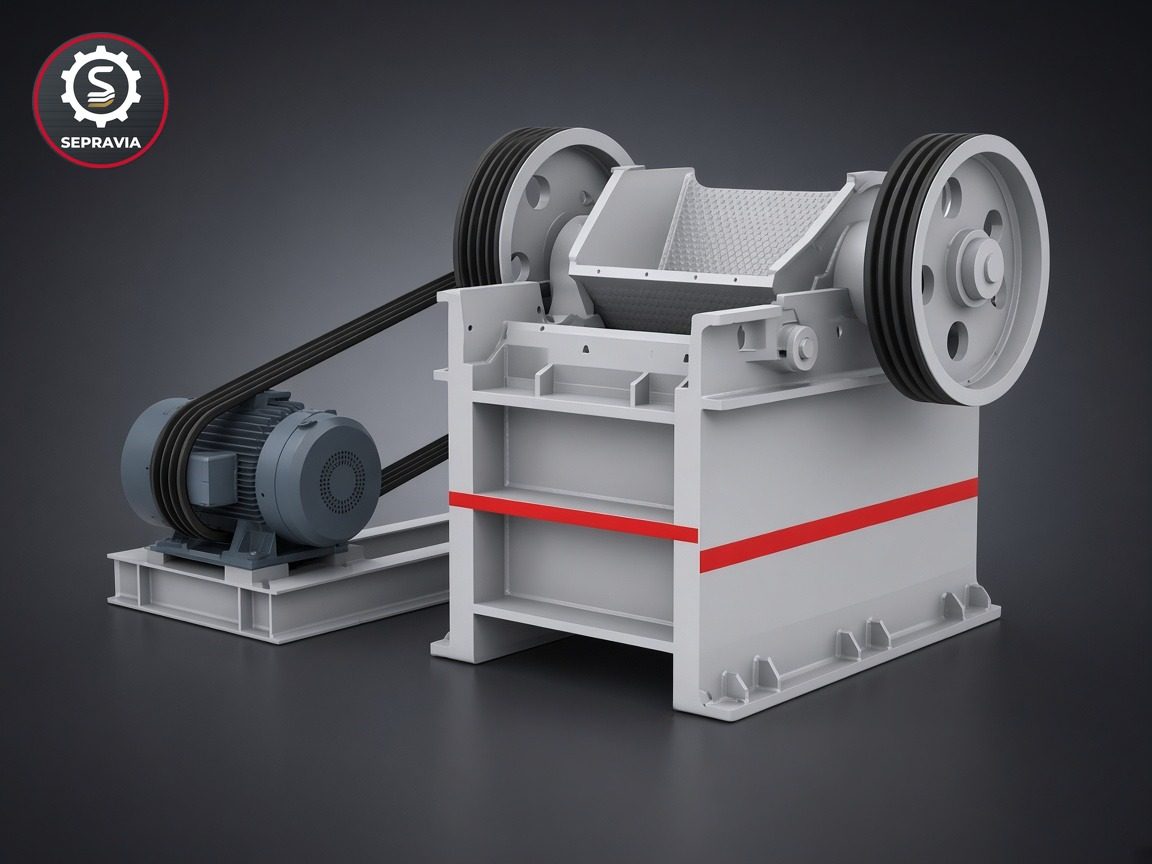
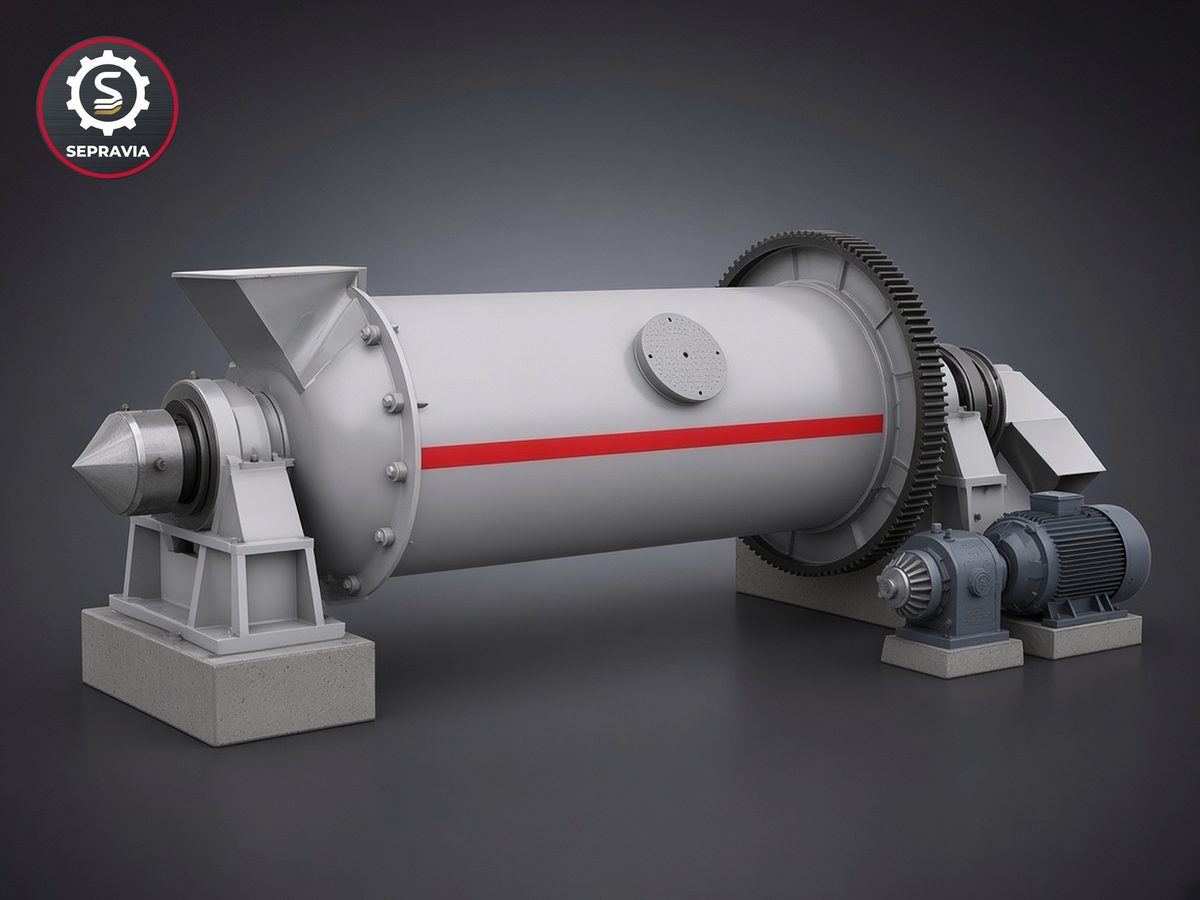
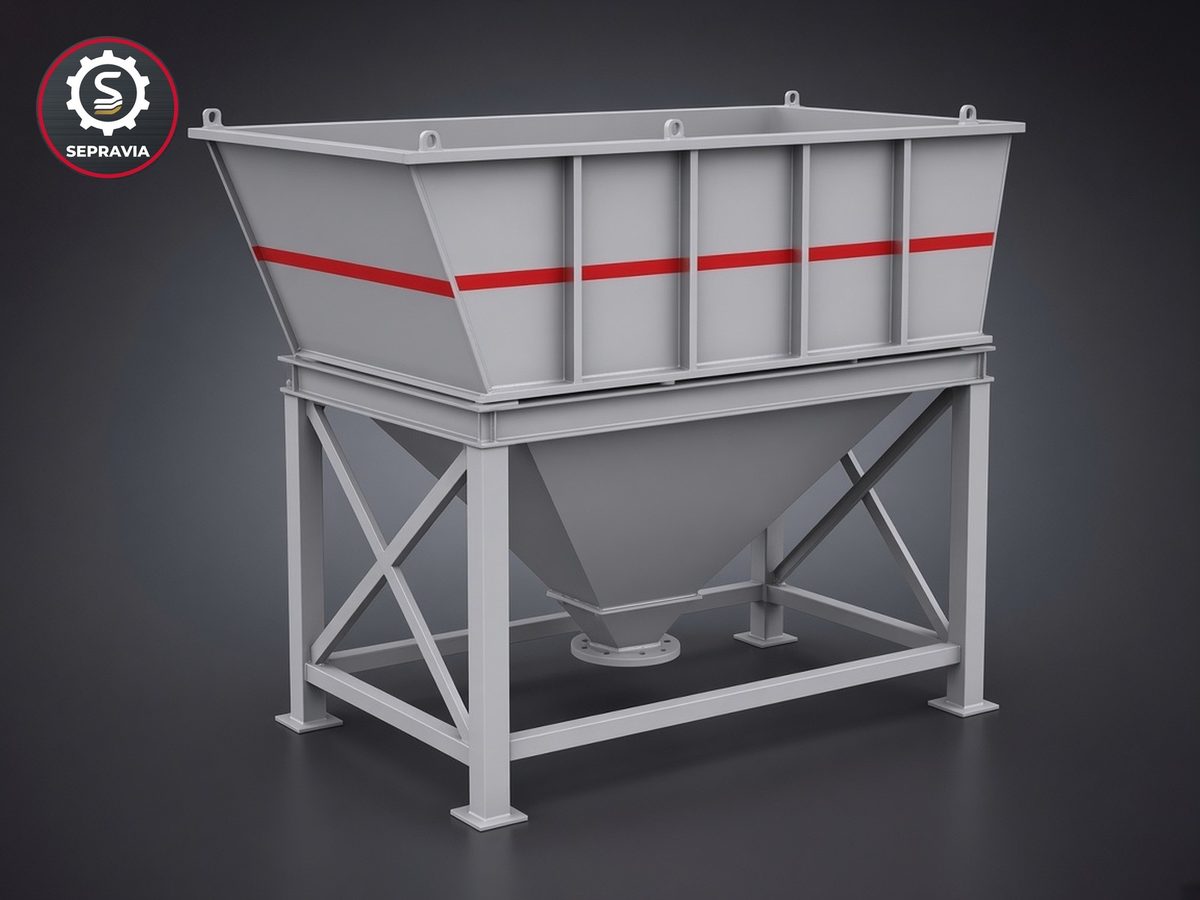
- Equipment supply — equipment produced at the Shicheng production base in Jiangxi, from single machines to complete lines covering crushing, grinding, separation and dewatering.
- Process design — flowsheet design, equipment selection and layout drawings based on your testwork and site conditions, with help arranging ore testing where needed.
- Technical support — installation guidance and commissioning support, plus a recommended wear-parts list.
Permitting and civil works remain the responsibility of the owner or local partners; we can support them with the technical documentation.
FAQ
How long does a small plant take from planning to start-up?
It varies widely with the testwork schedule, permitting, equipment lead times and site construction conditions. Draw up a schedule at the outset and start the uncertain items, such as approvals, early.
Can I buy equipment without testwork?
For alluvial gold or tin, where the flowsheets are well established, a preliminary set-up can be based on sieve analysis and clay content. For hard-rock ore, testwork first is strongly recommended — otherwise the flowsheet and equipment may not suit the ore.
Need a flowsheet and equipment advice for your ore?
Tell us the ore type, feed size, planned capacity and site conditions, and our engineers will recommend a flowsheet and equipment and send a quotation.
Comments
Questions or experience to share? Comments appear after review.
No comments yet — be the first.
Sign in to comment
Used only to verify you; your email is never shown.