
Solutions
Gravity, flotation, magnetic separation and cyanide leaching — equipment selection, process design and complete plants to suit your ore.
Gravity Separation
Separation by density difference — no reagents, low cost and clean. The first choice for placer gold, tin, tungsten and tantalum-niobium.
Suitable ores
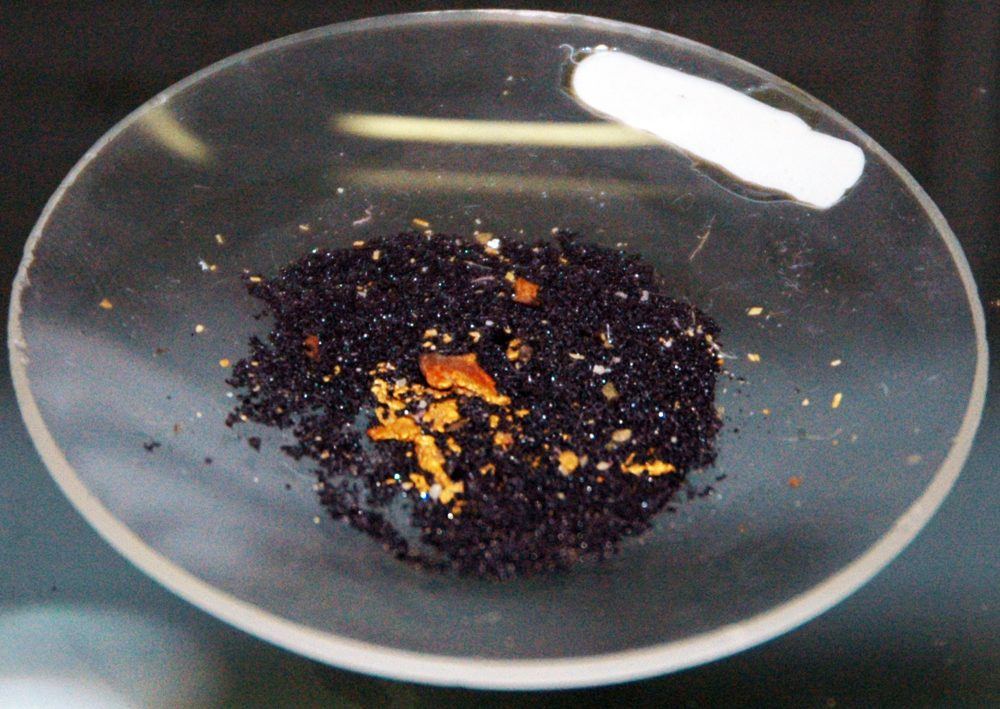 Placer gold
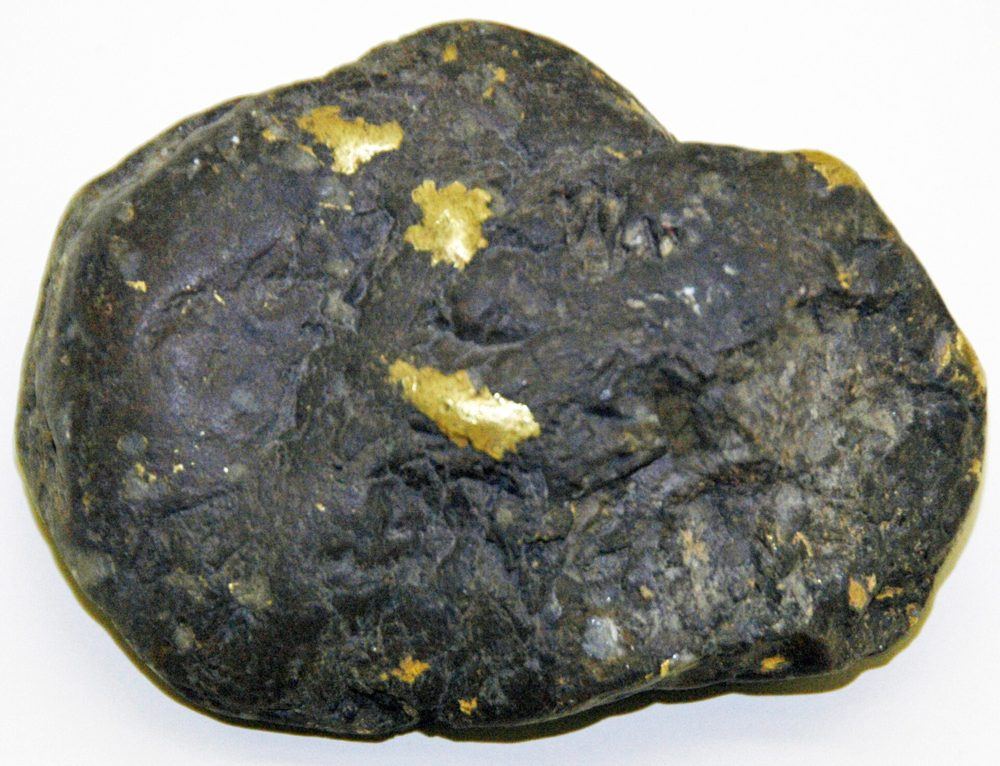 Hard-rock gold
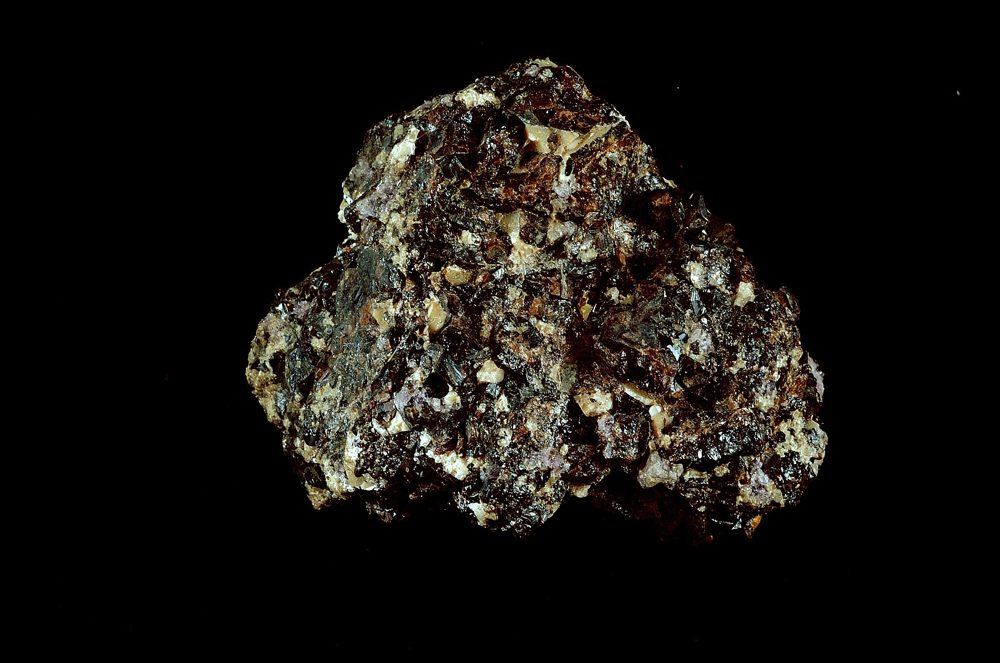 Tin
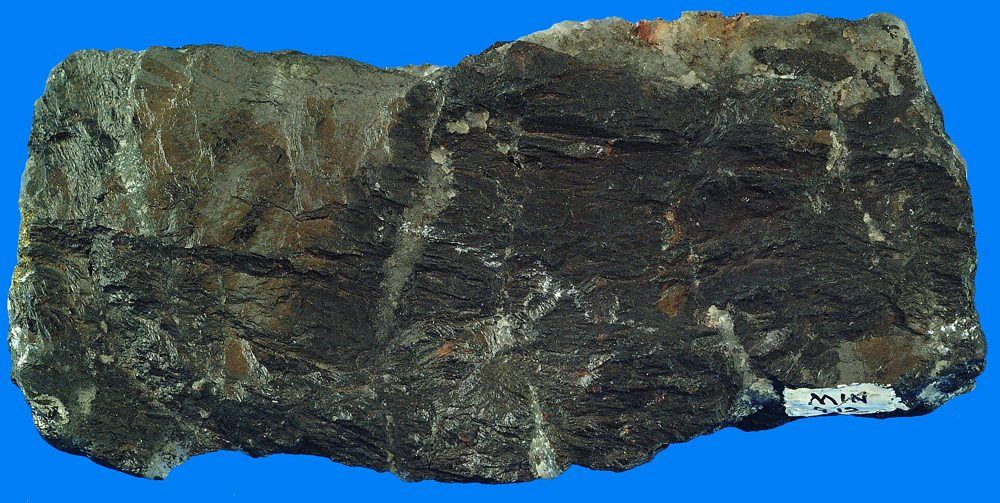 Tungsten
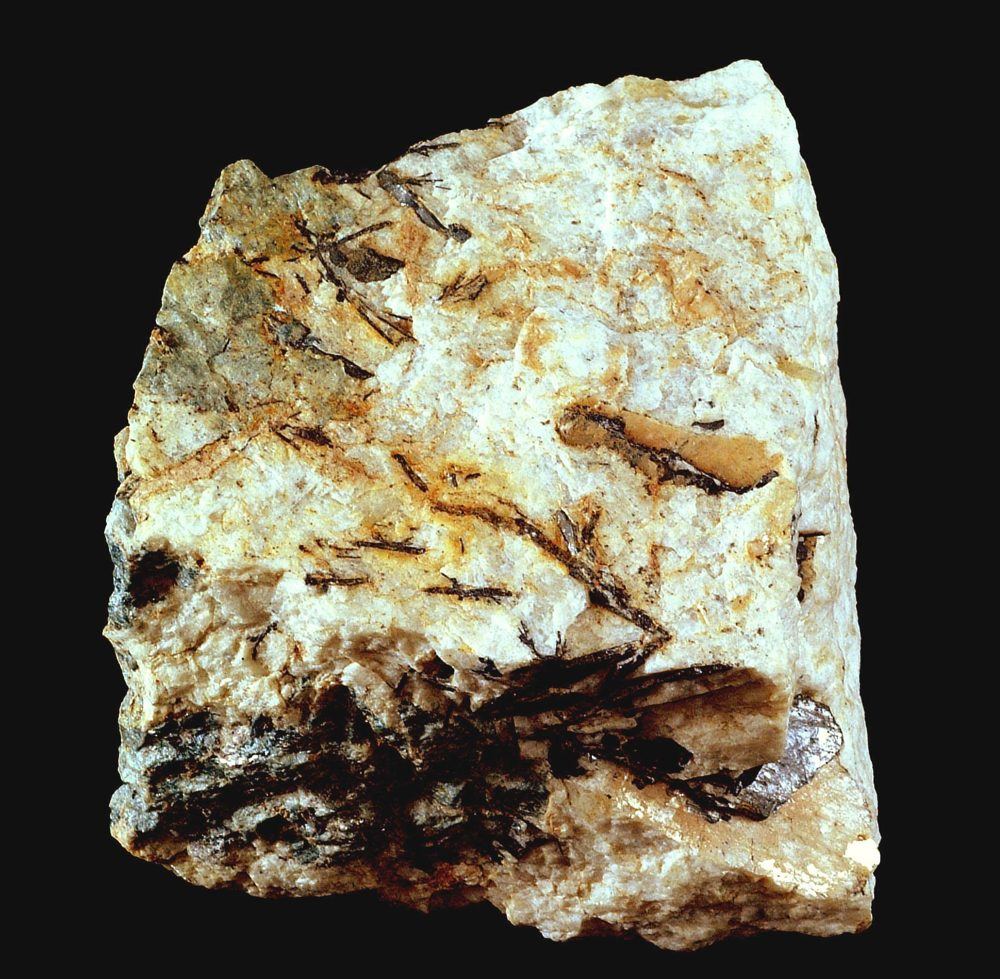 Tantalum-niobium
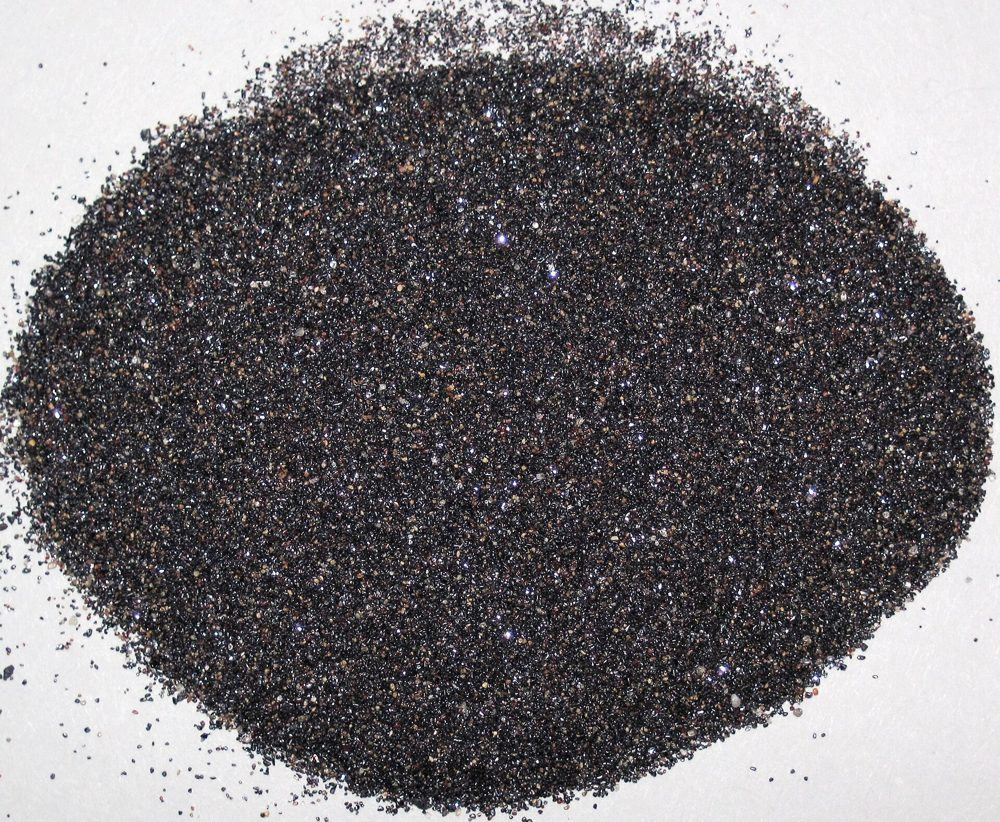 Ti-Zr mineral sandsChromite
Typical flow
- Feeding / washing & screening
- Crushing & grinding (hard rock)
- Classification
- Jig / spiral roughing
- Shaking table / centrifuge cleaning
- Heavy-mineral concentrate
Main equipment
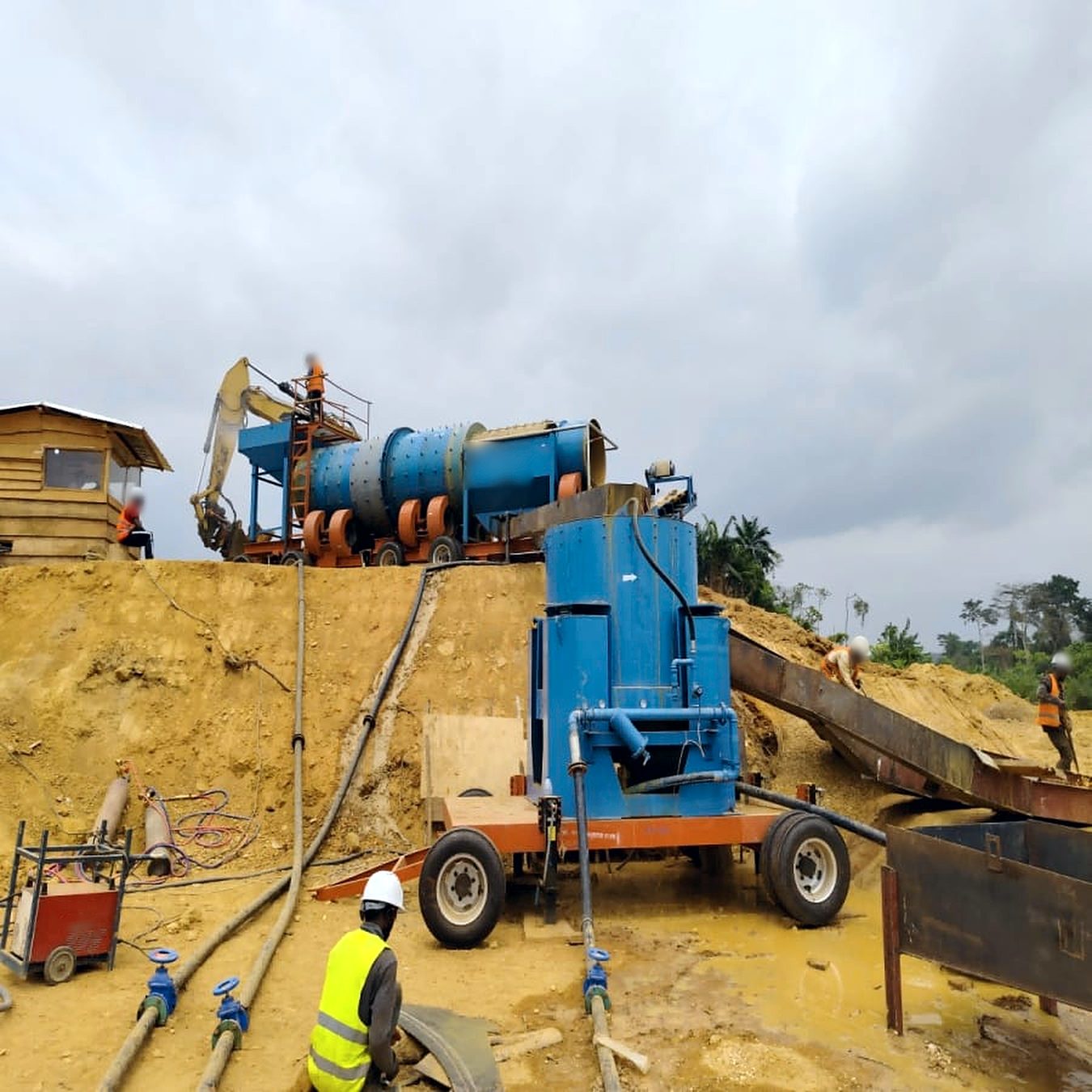
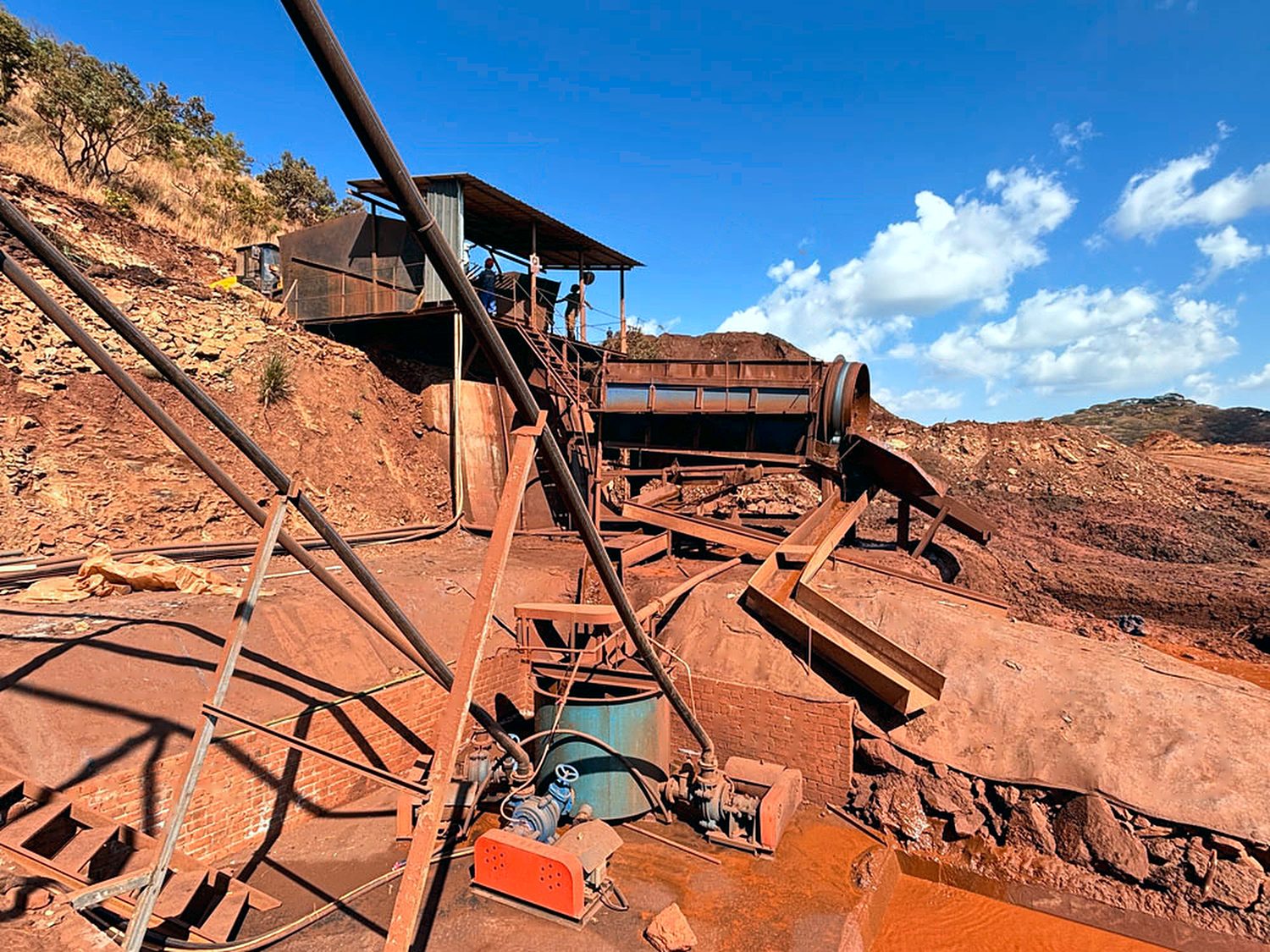
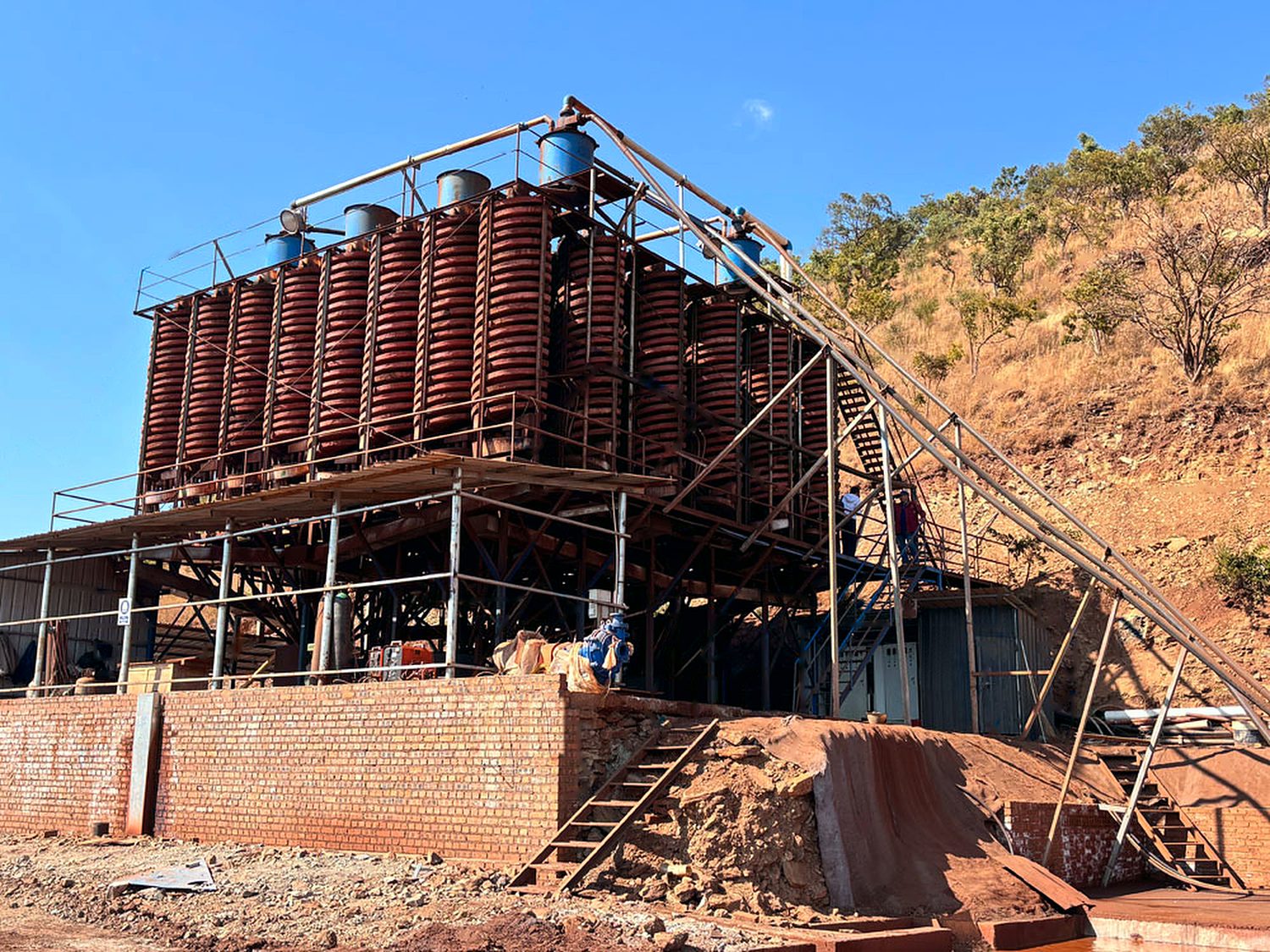
On-site photos
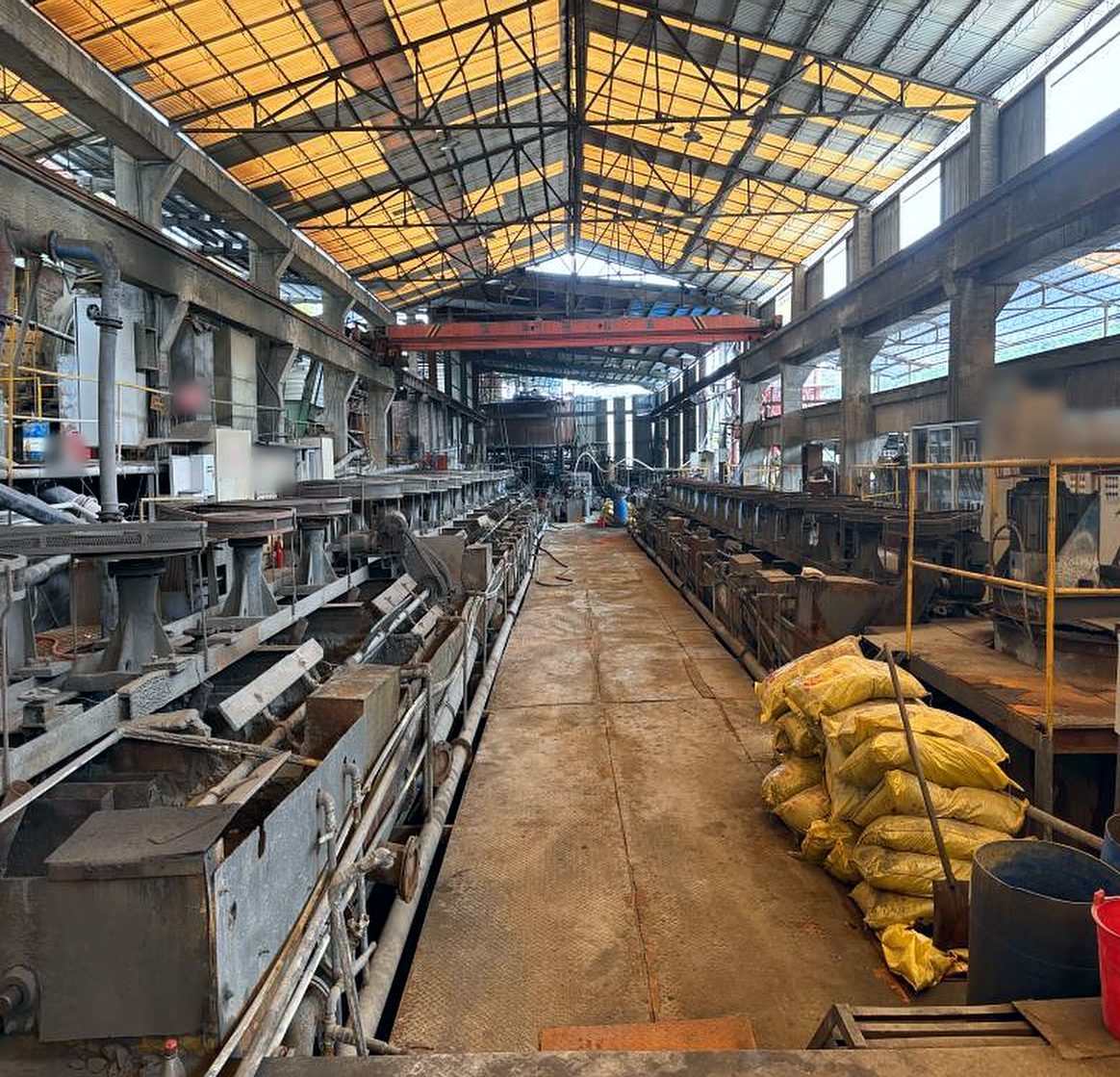
Flotation
Separation by differences in surface properties, suited to finely disseminated base-metal sulfides and some non-metallic minerals.
Suitable ores
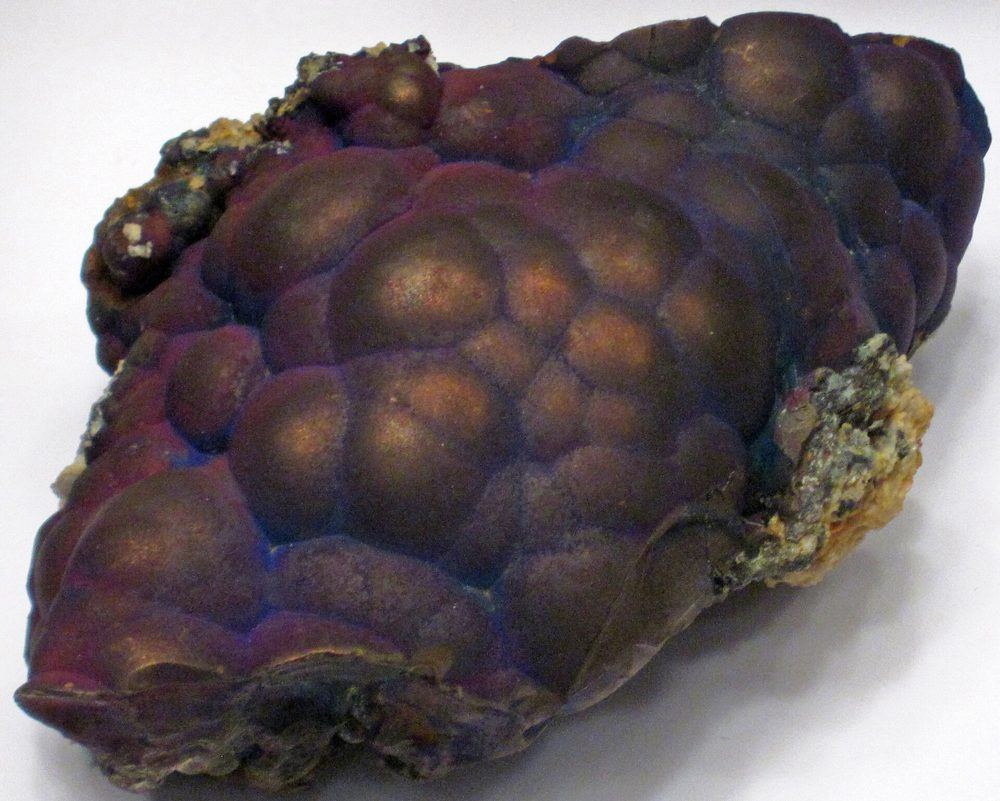 CopperLead-zincMolybdenumFluoriteGraphite
Typical flow
- Crushing & screening
- Grinding & classifying
- Conditioning
- Rougher / scavenger / cleaner
- Thickening & dewatering
- Concentrate
Main equipment
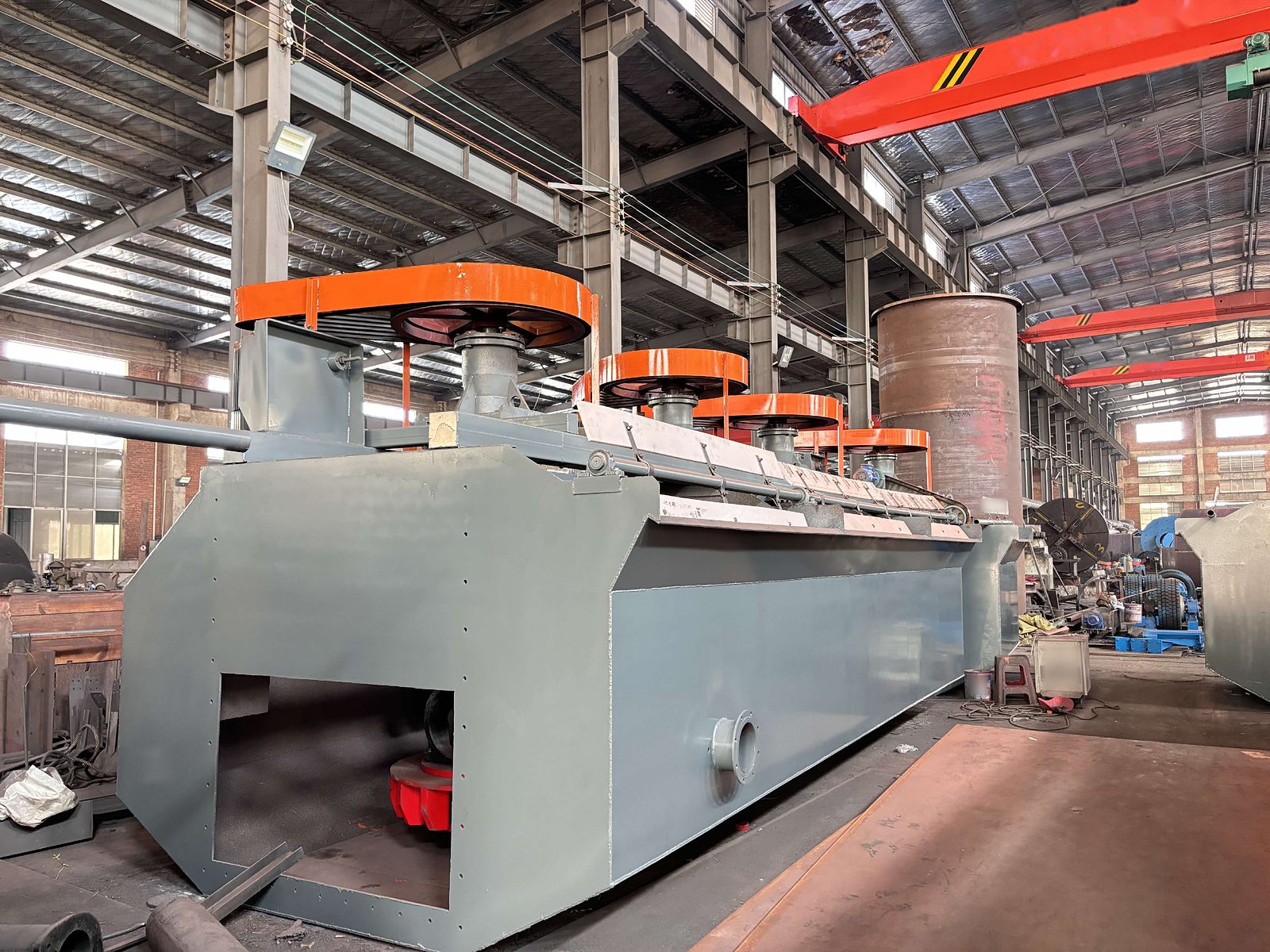
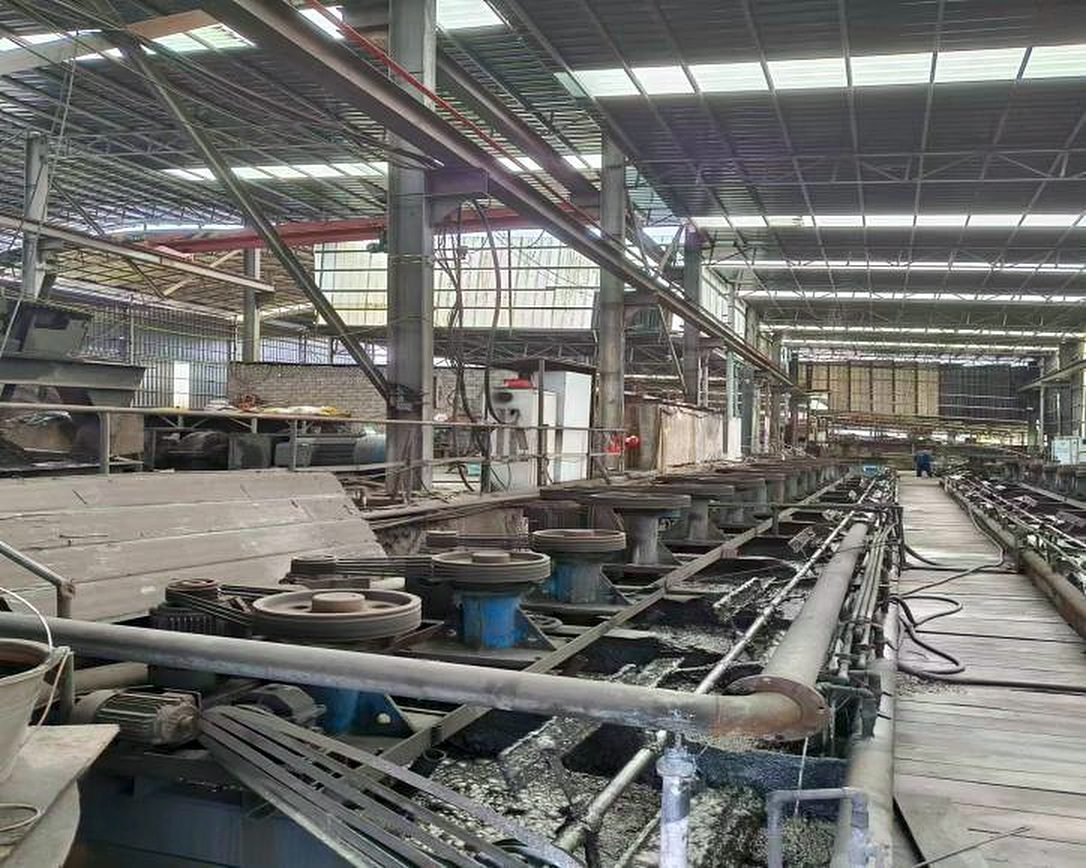
On-site photos
Magnetic Separation
Separation by magnetic susceptibility: simple, high-capacity, suited to magnetite and heavy sands with magnetic minerals.
Suitable ores
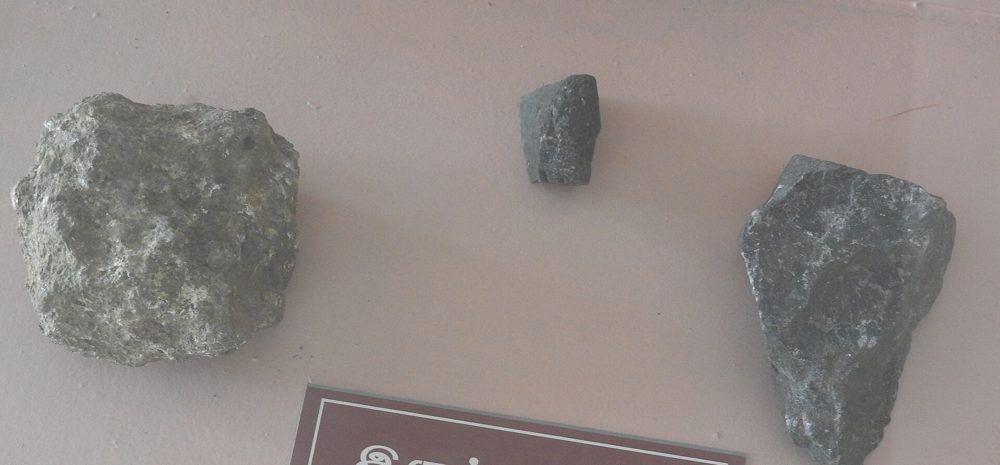 MagnetiteIlmeniteMagnetic heavy sands
Typical flow
- Crushing & screening
- Grinding & classifying
- Magnetic roughing / cleaning
- Dewatering
- Iron concentrate
Main equipment
Cyanide Leaching
Suited to finely disseminated gold ore and gold-bearing tailings. We supply leaching, adsorption, desorption-electrolysis and gold-sludge refining equipment with process configuration — equipment only.
Suitable ores
Hard-rock goldGold-silver oreGold-bearing tailingsTypical flow
- Crushing
- Grinding & classifying
- Thickening
- Leaching & adsorption
- Desorption & electrolysis
- Gold sludge
Main equipment
On-site photos
Typical Configurations: Gold & Silver / Copper
General examples for discussion. The actual flowsheet and equipment models depend on ore testing and site conditions.
Hard-rock gold · CIL typical configuration
For finely disseminated gold; combined gravity and leach recovery
- CrushingJaw crusher + secondary crusher + vibrating screen
Jaw Crusher · Circular Vibrating Screen - GrindingBall mill in closed circuit with spiral classifier or hydrocyclones
Ball Mill · Hydrocyclone - GravityCentrifuge and shaking table recover coarse gold in the grinding circuit
Centrifugal Concentrator · 6-S Shaking Table - ThickeningThickener adjusts slurry density
Inclined-Tube Thickener - Leach & adsorbSeveral leaching tanks in series
Leaching Agitation Tank · Lift Agitation Tank (XBT) - DesorptionLoaded-carbon desorption and electrolysis to gold sludge
Desorption & Electrolysis Unit - RefiningGold-sludge refining equipment set (see below)
Placer gold · gravity typical configuration
Washing & screening + jig roughing + centrifuge / table cleaning
- FeedingTrough feeder / vibrating feeder
Trough Feeder · Vibrating Feeder - WashingDrum washer or trommel; diesel mobile trommel for sites without power
Rotary Drum Washer · Trommel Screen · Diesel Mobile Trommel - RoughingJigs, sluices
Sawtooth-Wave Jig · Gold Washing Plant - CleaningCentrifuge, shaking table
Centrifugal Concentrator · 6-S Shaking Table - ConcentrateConcentrate drying
Rotary Dryer
Copper · 500 t/d flotation typical configuration
Crushing about 37.5 t/h on two shifts; grinding and flotation about 21 t/h continuous
- CrushingThree-stage, one closed circuit: trough feeder 1240×980 → jaw crusher PE-500×750 → cone crushers → YK1848 circular screen, belt conveyors
Trough Feeder · Jaw Crusher · Circular Vibrating Screen · Belt Conveyor - GrindingSingle-stage closed circuit: vibrating feeders → grate ball mill GM2145 + 2FG-20 spiral classifier, grind 60–75% −200 mesh; add cyclones for a finer grind
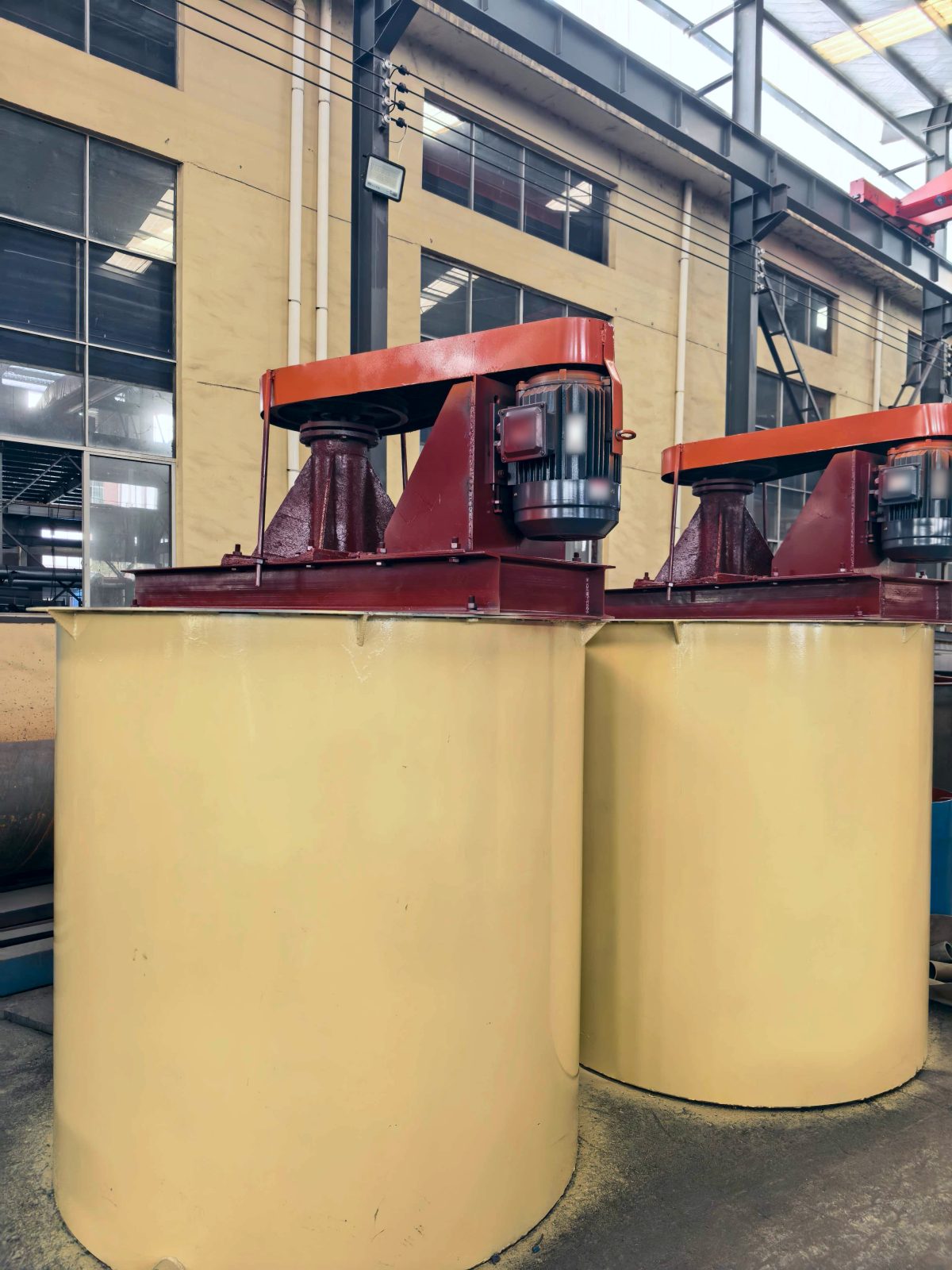
Vibrating Feeder · Ball Mill · Spiral Classifier · Hydrocyclone - ConditioningTwo-stage conditioning in XB20 tanks
Agitation Tank - FlotationOne rougher, two scavengers, two cleaners: SF-4, JJF-4 and SF-1.2 cells
Flotation Machine - DewateringConcentrate thickener + filter press; tailings thickening with process-water recycling
Inclined-Tube Thickener
Gold-sludge refining (silver parting) equipment set
Follows desorption-electrolysis to treat electrowon gold sludge
- FlowElectrowon gold sludge → silver parting → vacuum filtration → silver recovery / crude gold → drying & smelting
- ReactionTitanium reactors, anti-corrosion heating plates
- VentilationPP fume hood, FRP fan
- FiltrationΦ500 bag filters, jet vacuum pump and piping
On-site Photos
Real photos of mineral processing equipment being installed and running on site — a reference for equipment form and plant layout. Tap a photo to enlarge it.
Mobile trommel gold wash plantTrommel and sluice gold recoverySpiral chute separation circuit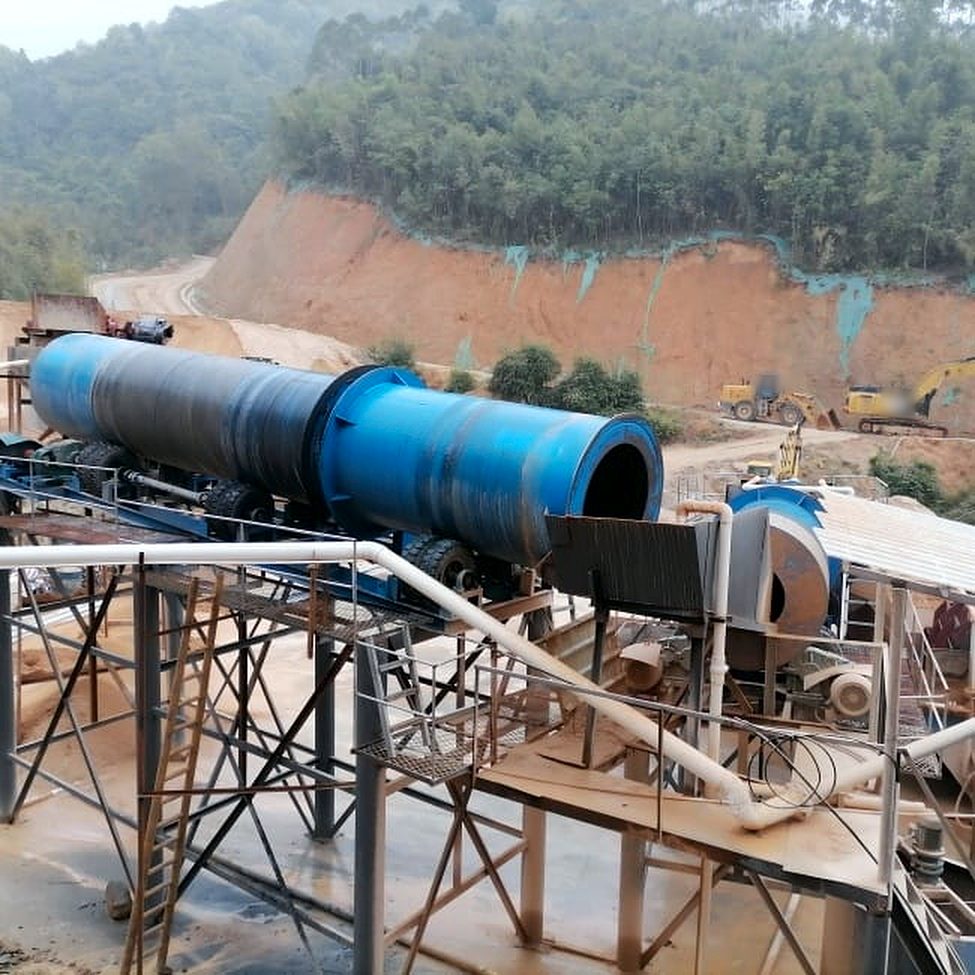 Rotary drum scrubber on site
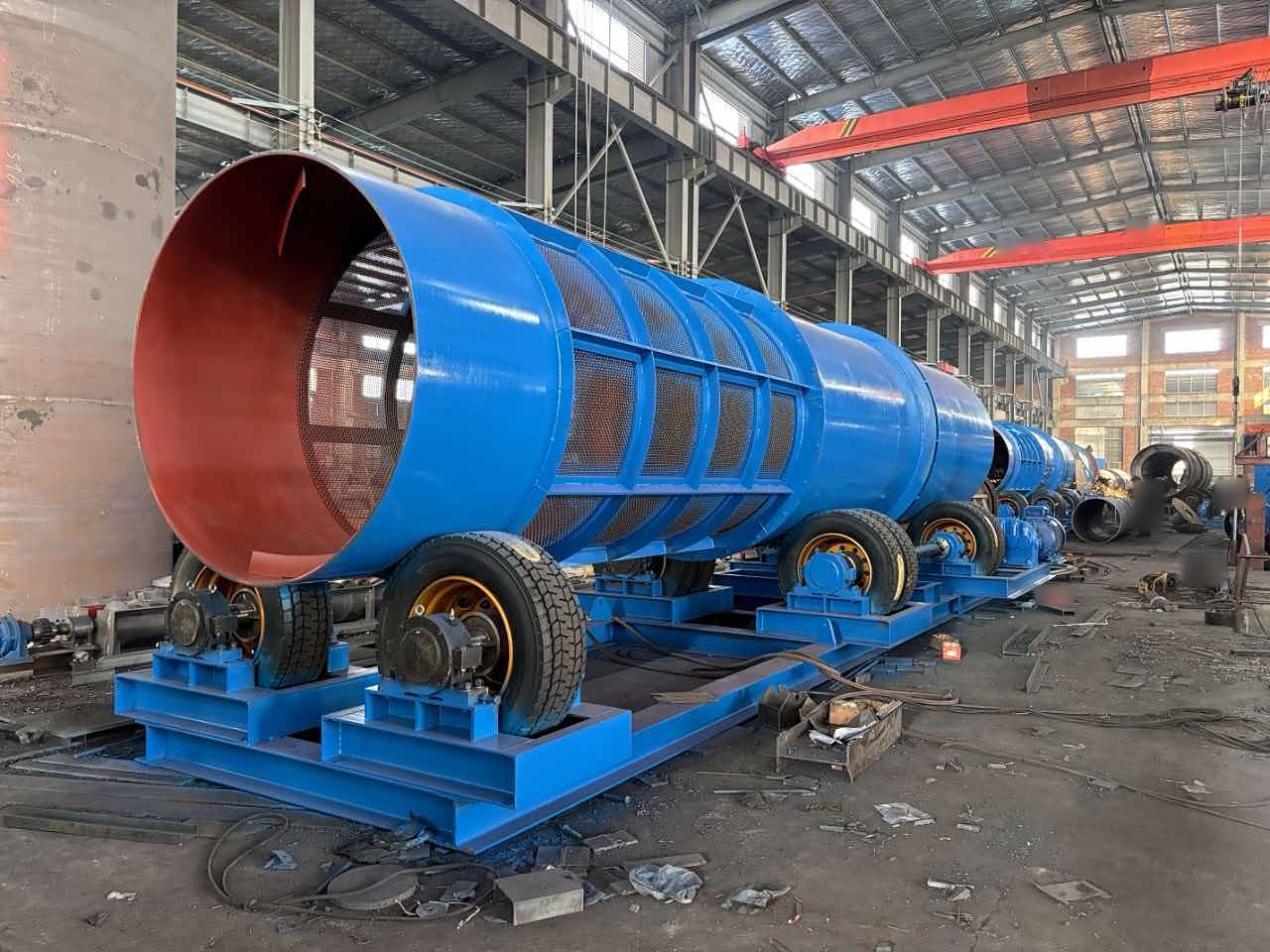 Rotary drum washer
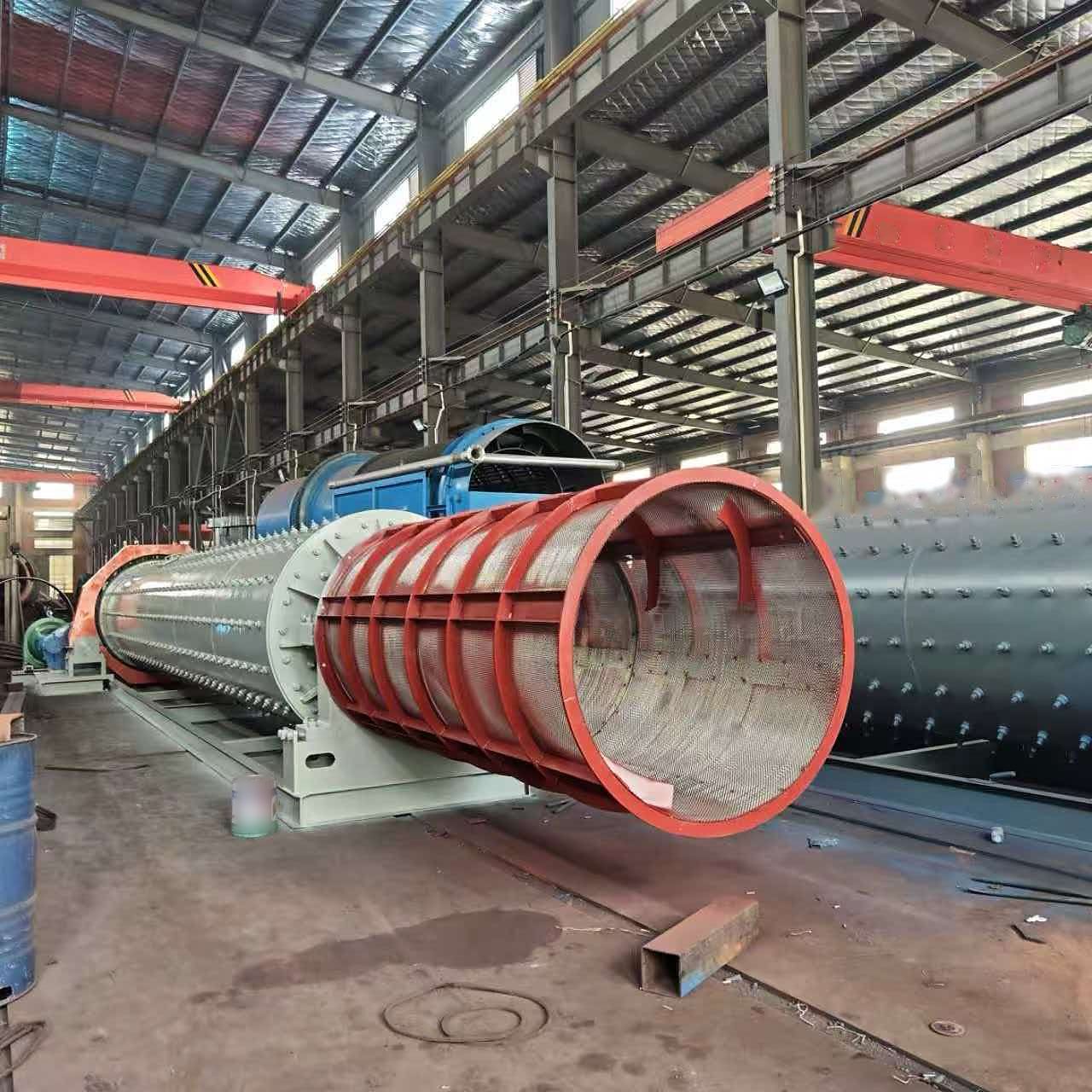 Trommel screen
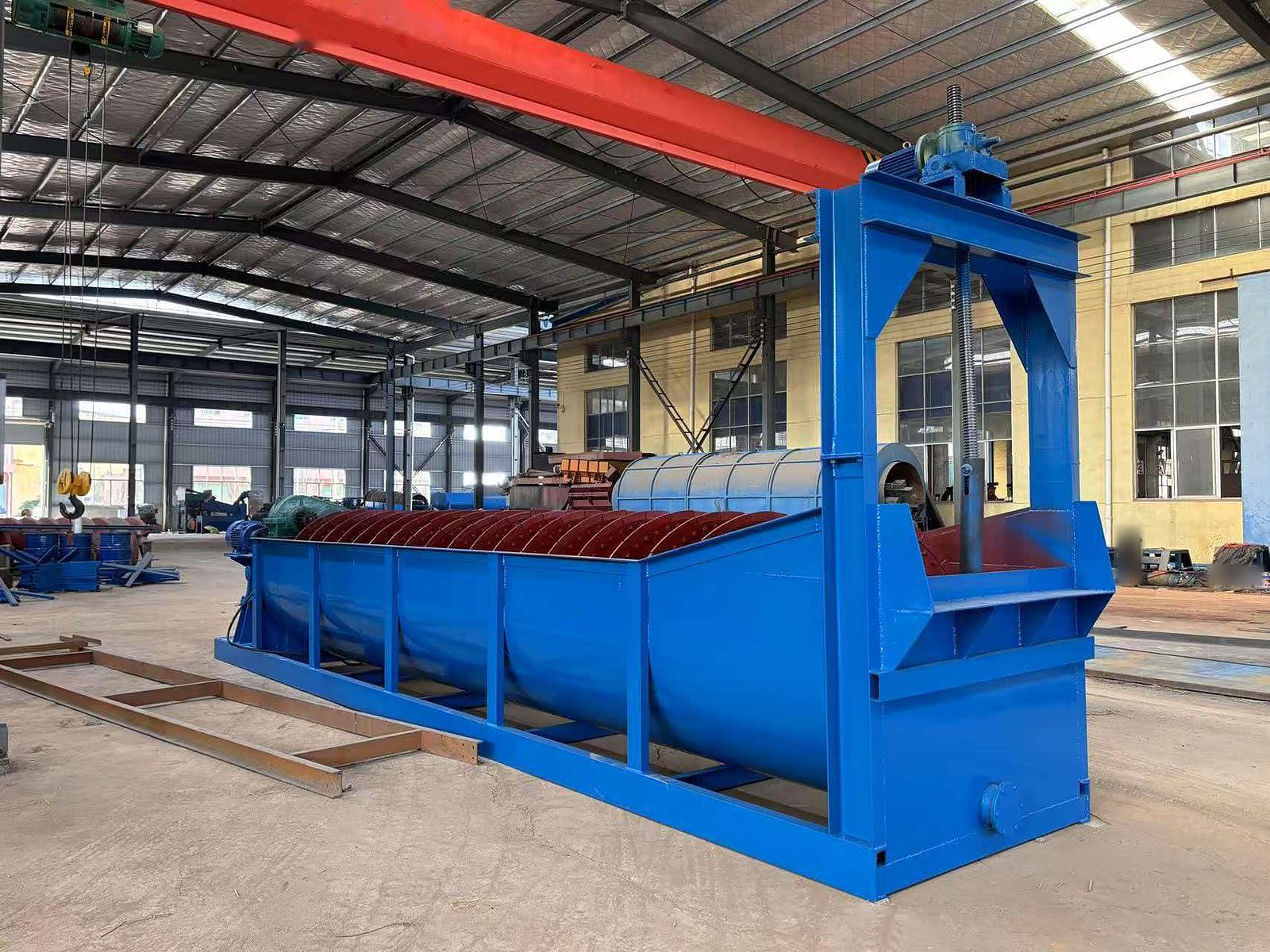 Spiral classifier
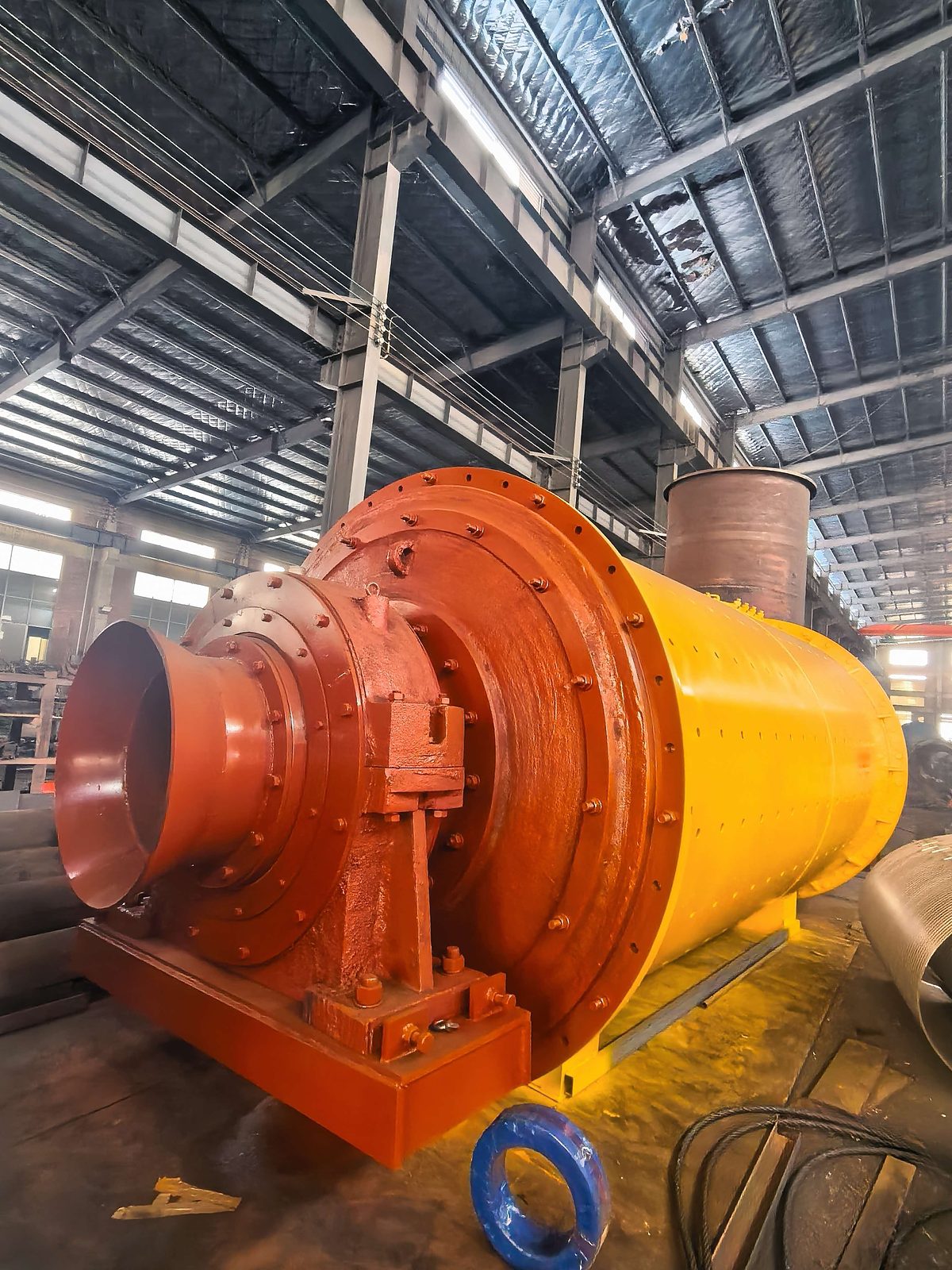 Ball millFlotation cellsFlotation cell bankFlotation plant interior
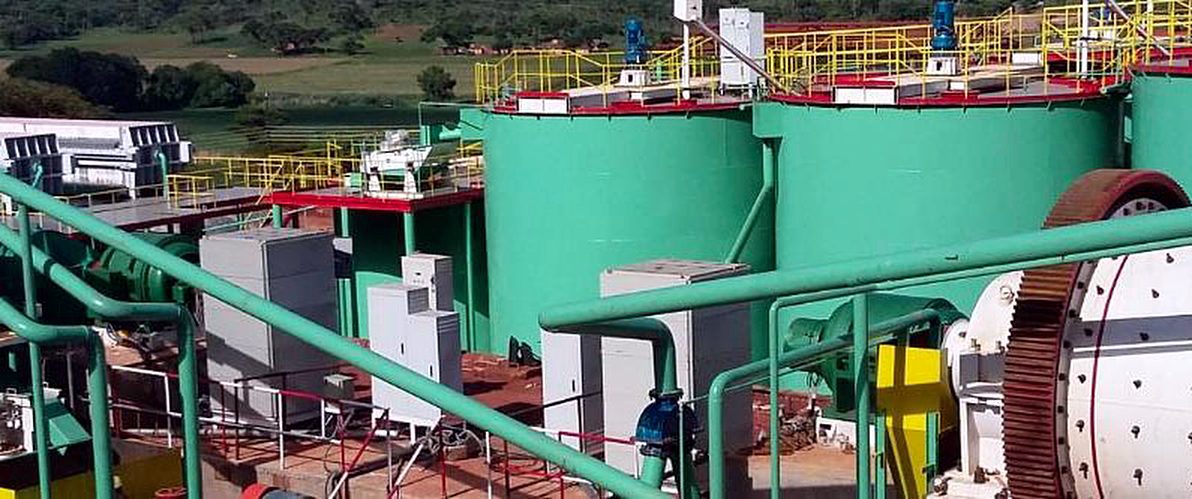
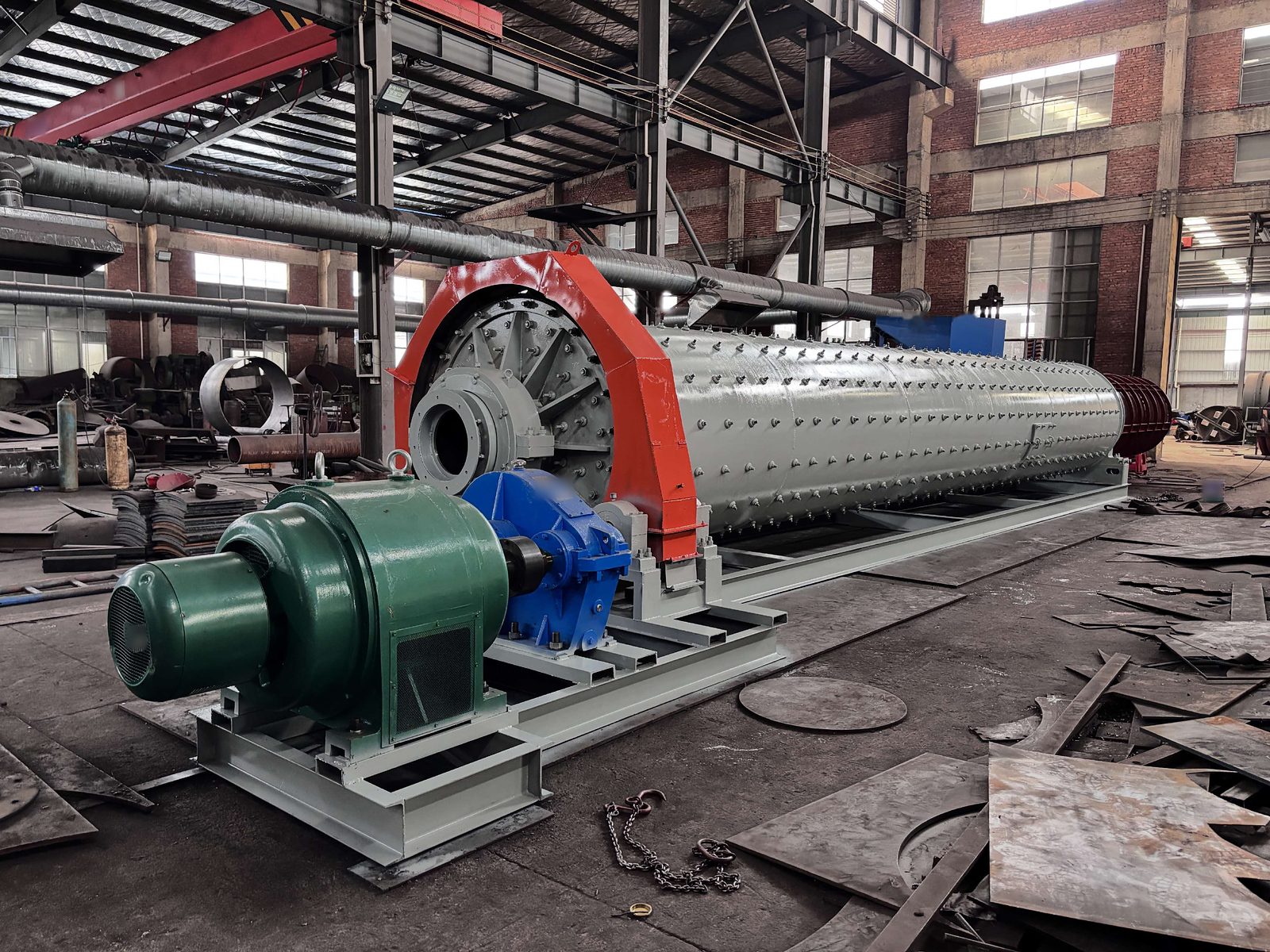 Ball millCIL leaching tanks and ball mill
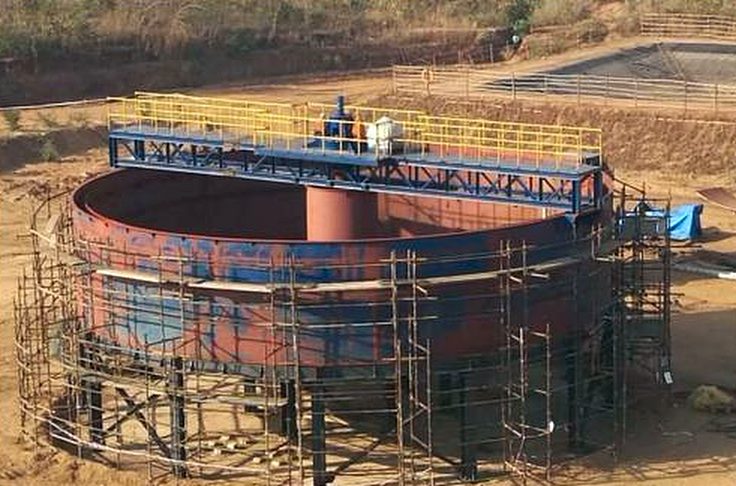 Thickener under installation
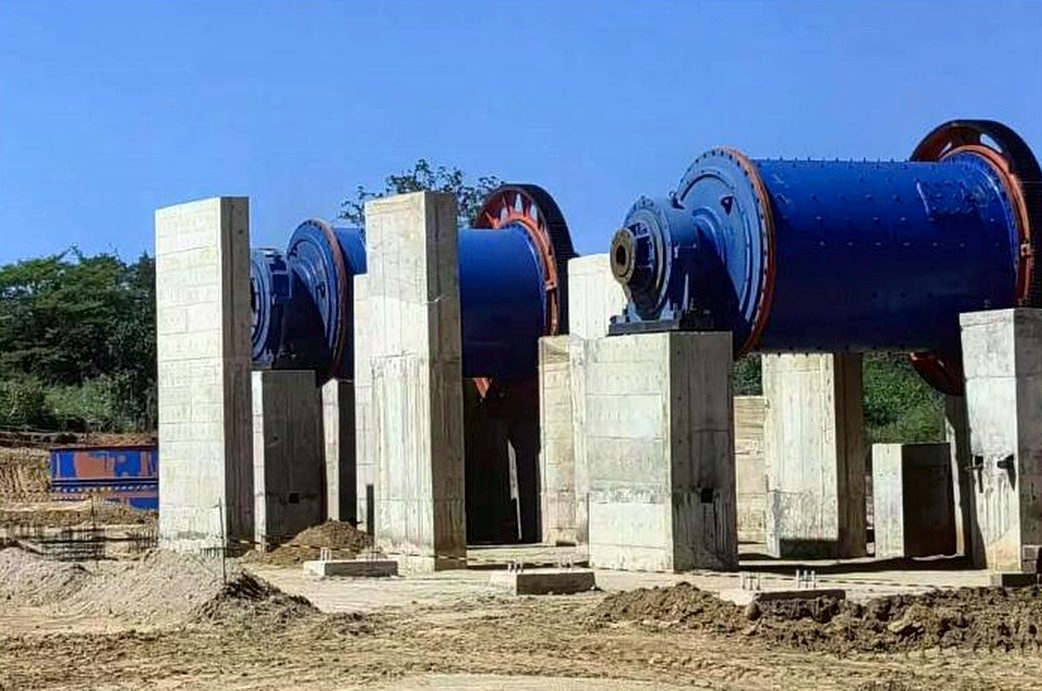 Ball mills set on foundations
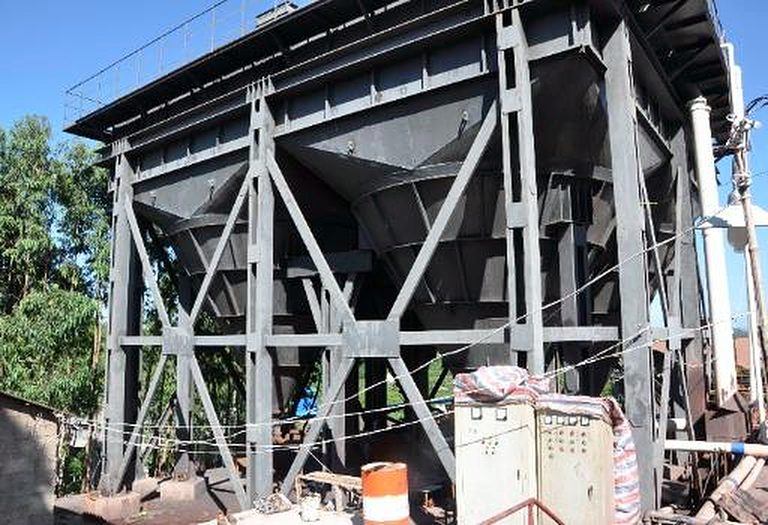 Steel ore bin structure
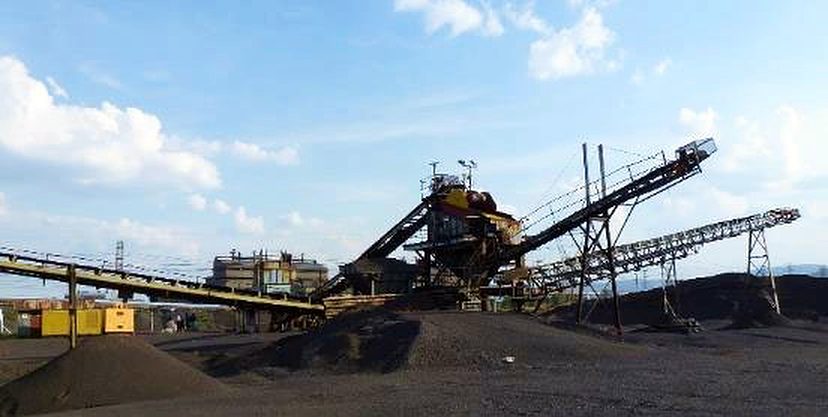 Ore stockpile and conveyors
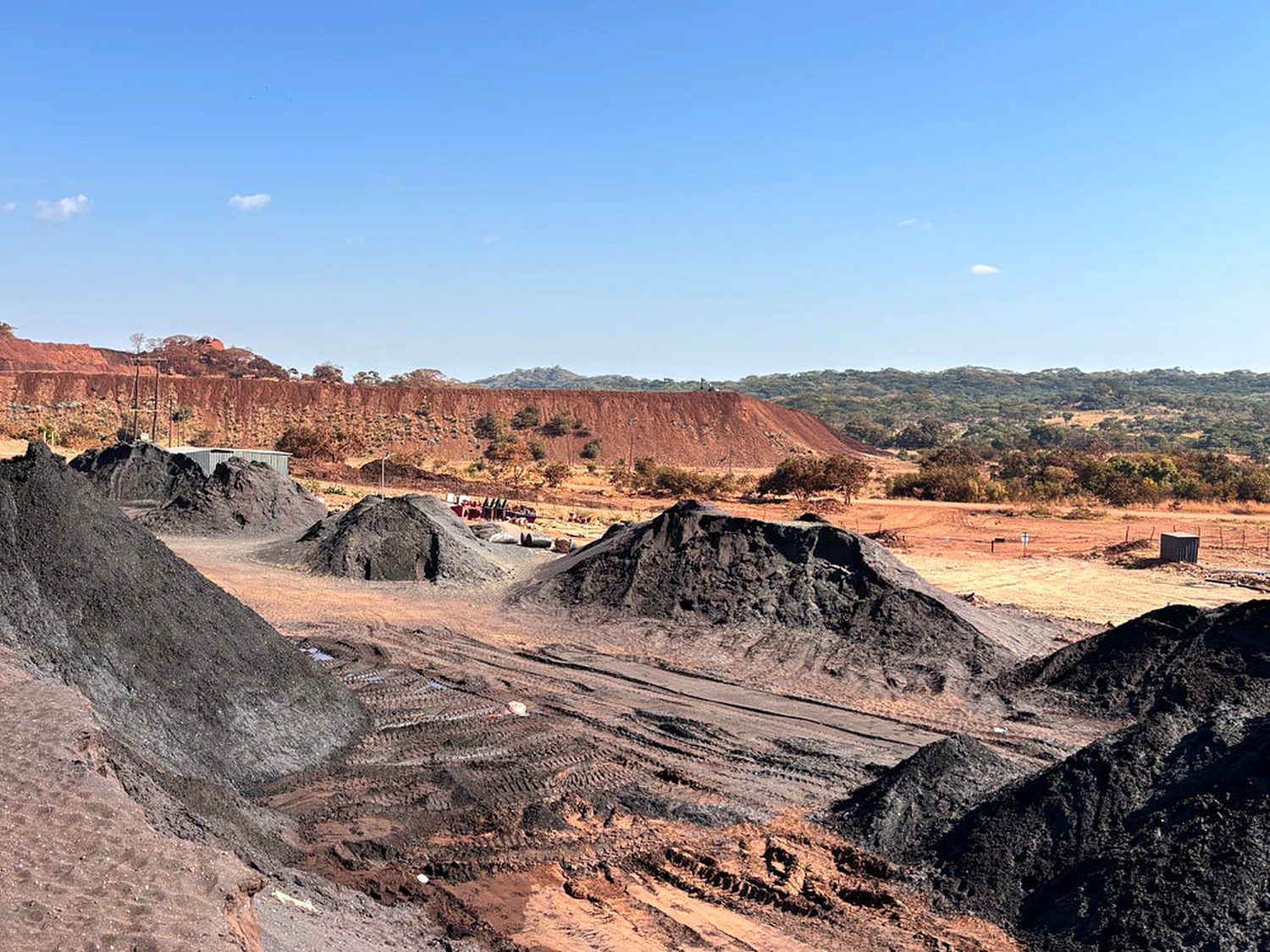 Open-pit area and ore stockpiles
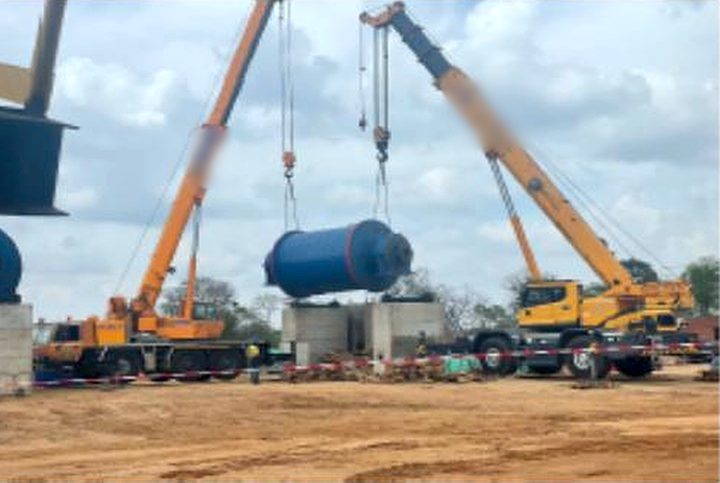 Equipment lifting on site
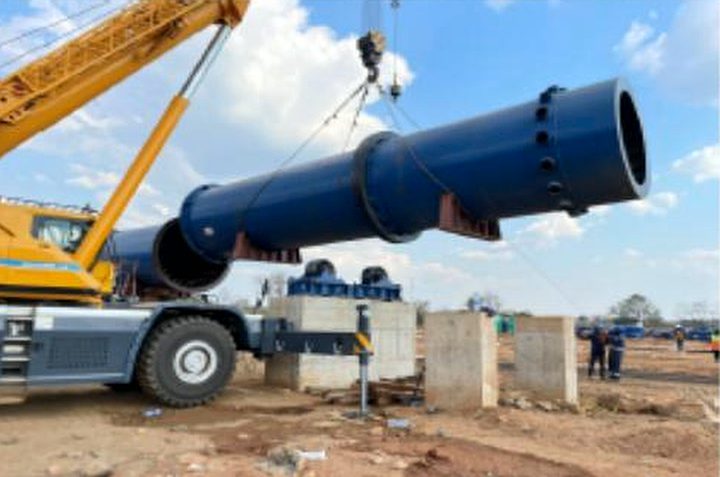 Drum unit lifted into place
How We Work
- RequirementsOre type, grade, capacity and site conditions
- Ore TestingBeneficiation tests where needed to fix the process
- Process DesignFlowsheet, equipment selection and layout
- QuotationItemised quote with delivery and payment terms
- ProductionBuilt to order at the Shicheng base
- ShippingPacking, container loading and transport
- InstallationInstallation guidance and commissioning support
Tell us your ore and capacity — get a configuration and quotation
Our engineers recommend a flowsheet and equipment set based on your ore.