GRAVITY SEPARATION · 01

Gravity Separation

Suitable for: Placer and hard-rock gold, tin, tungsten, tantalum-niobium, Ti-Zr mineral sands
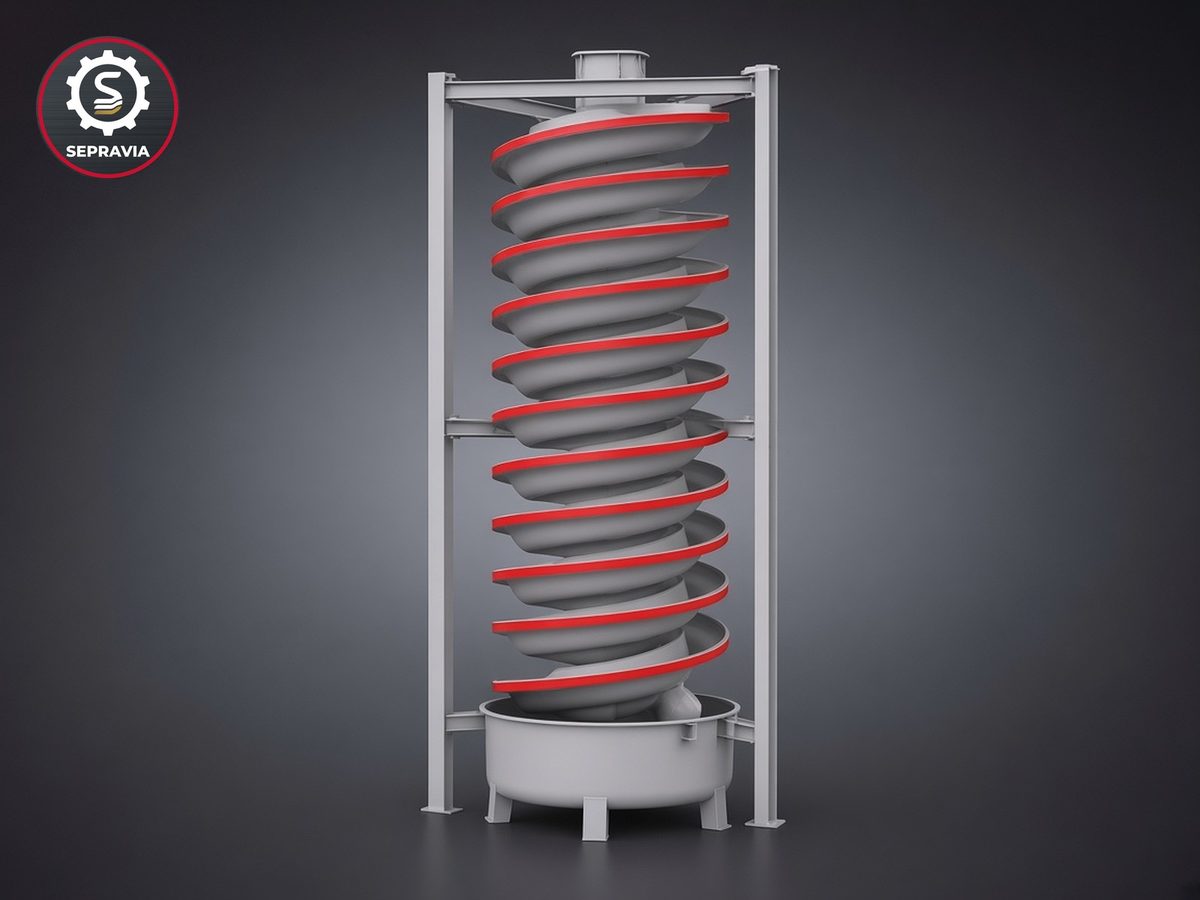
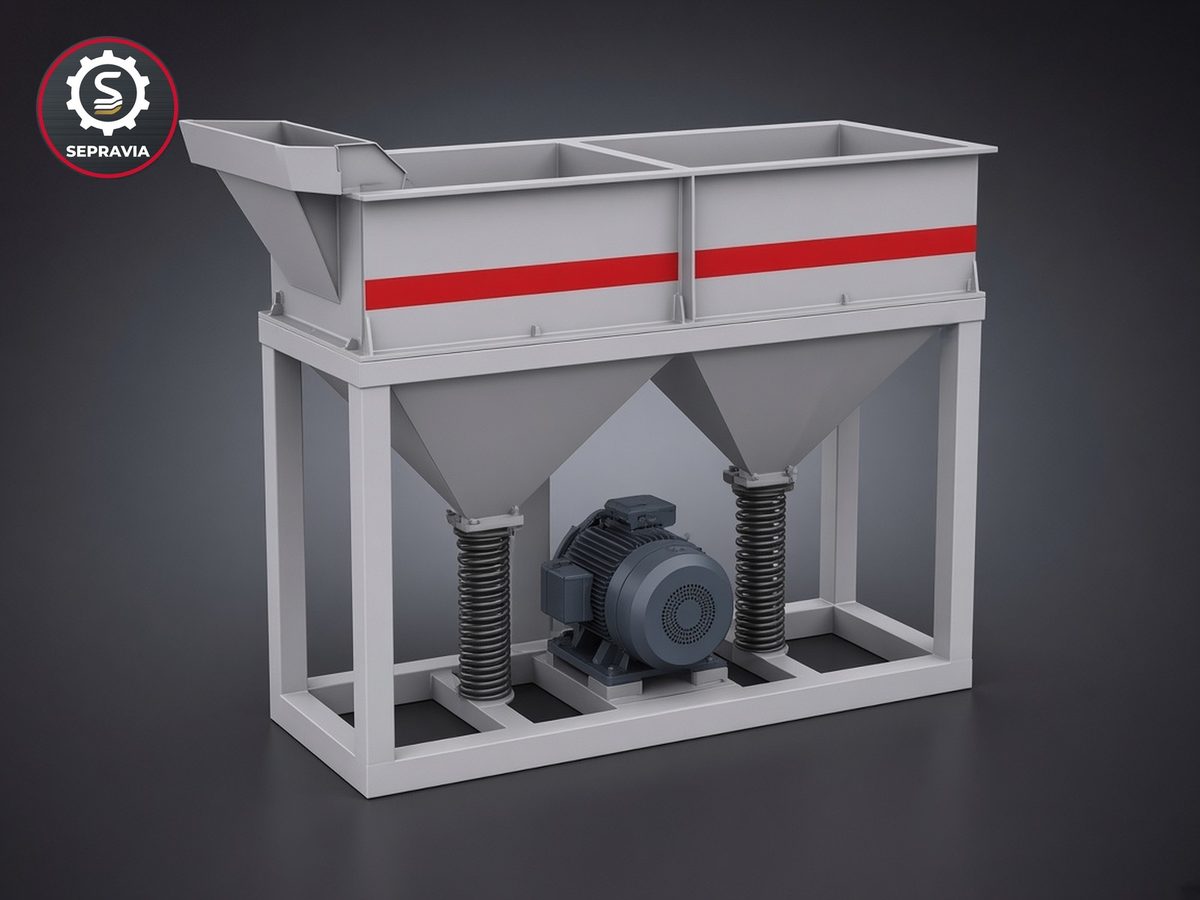
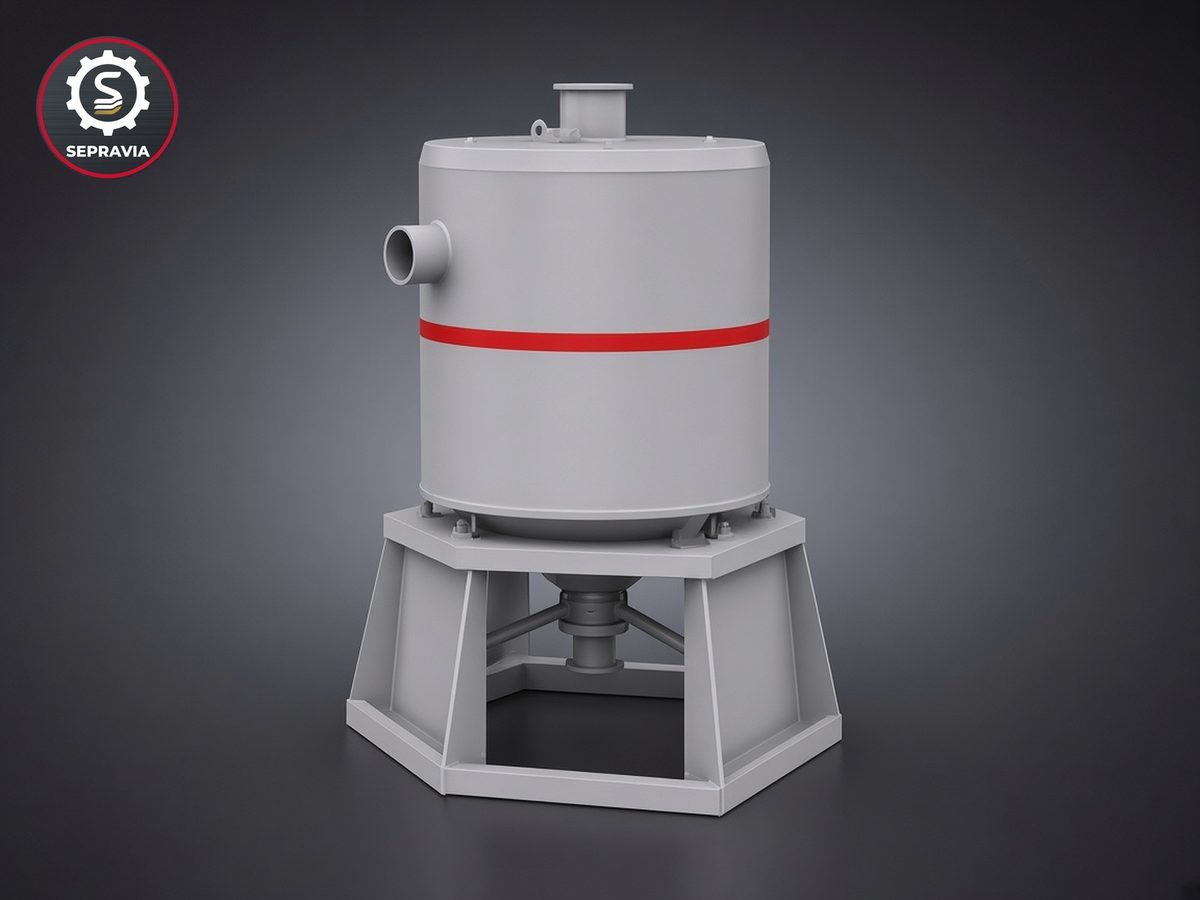
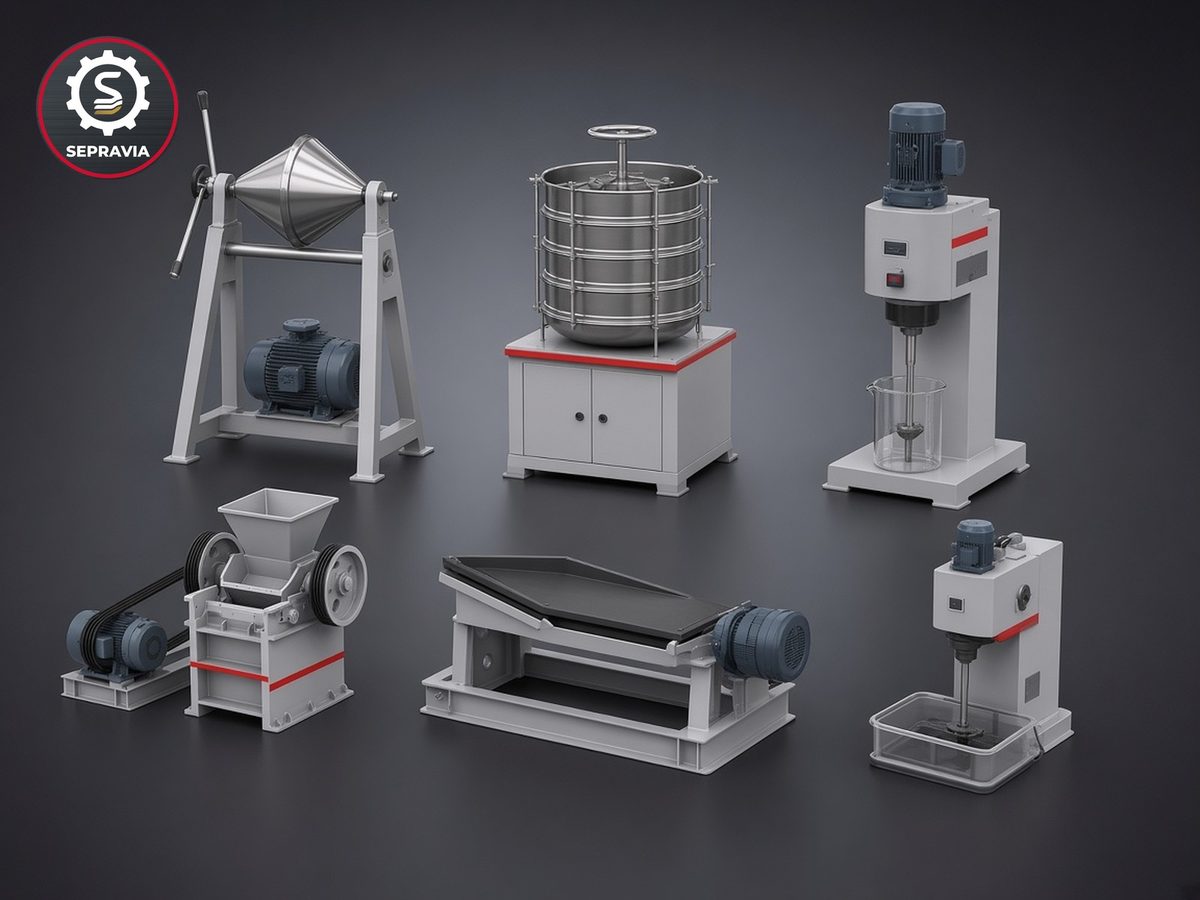
Main equipment: jigs, shaking tables, spiral chutes, centrifugal concentrators

FLOTATION · 02

Flotation

Suitable for: Copper, lead-zinc, molybdenum, fluorite, graphite
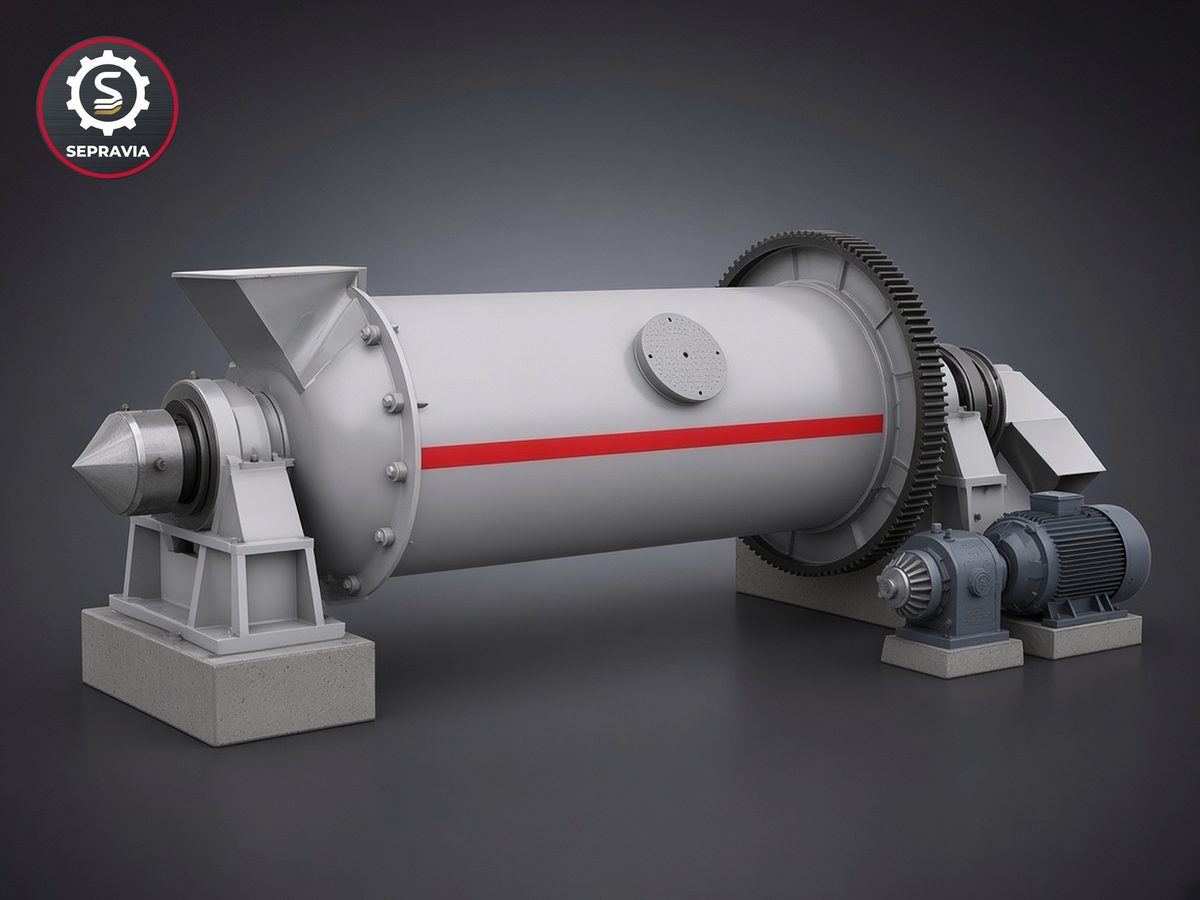
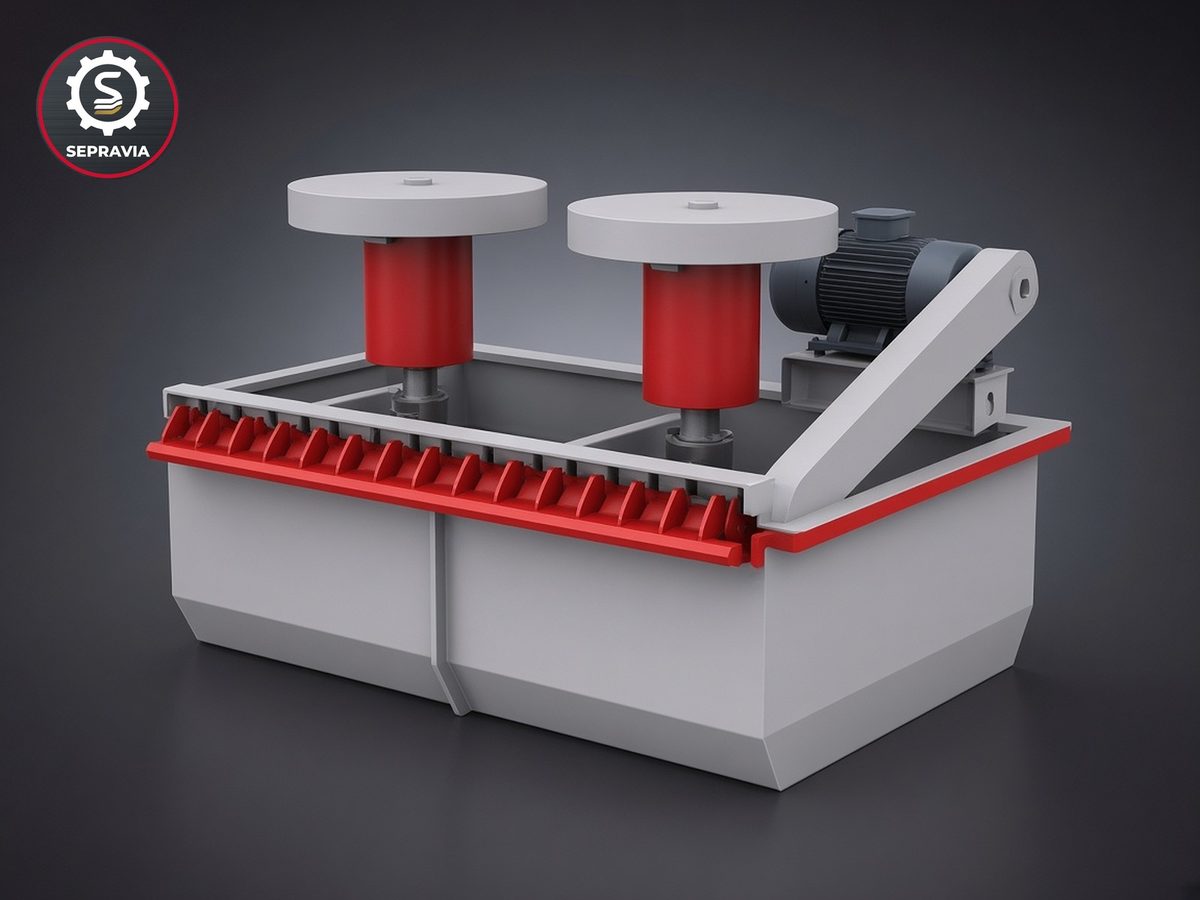
Main equipment: flotation cells, conditioning tanks, ball mills, classifiers, thickeners

MAGNETIC SEPARATION · 03

Magnetic Separation

Suitable for: Magnetite, ilmenite, magnetic heavy-mineral sands
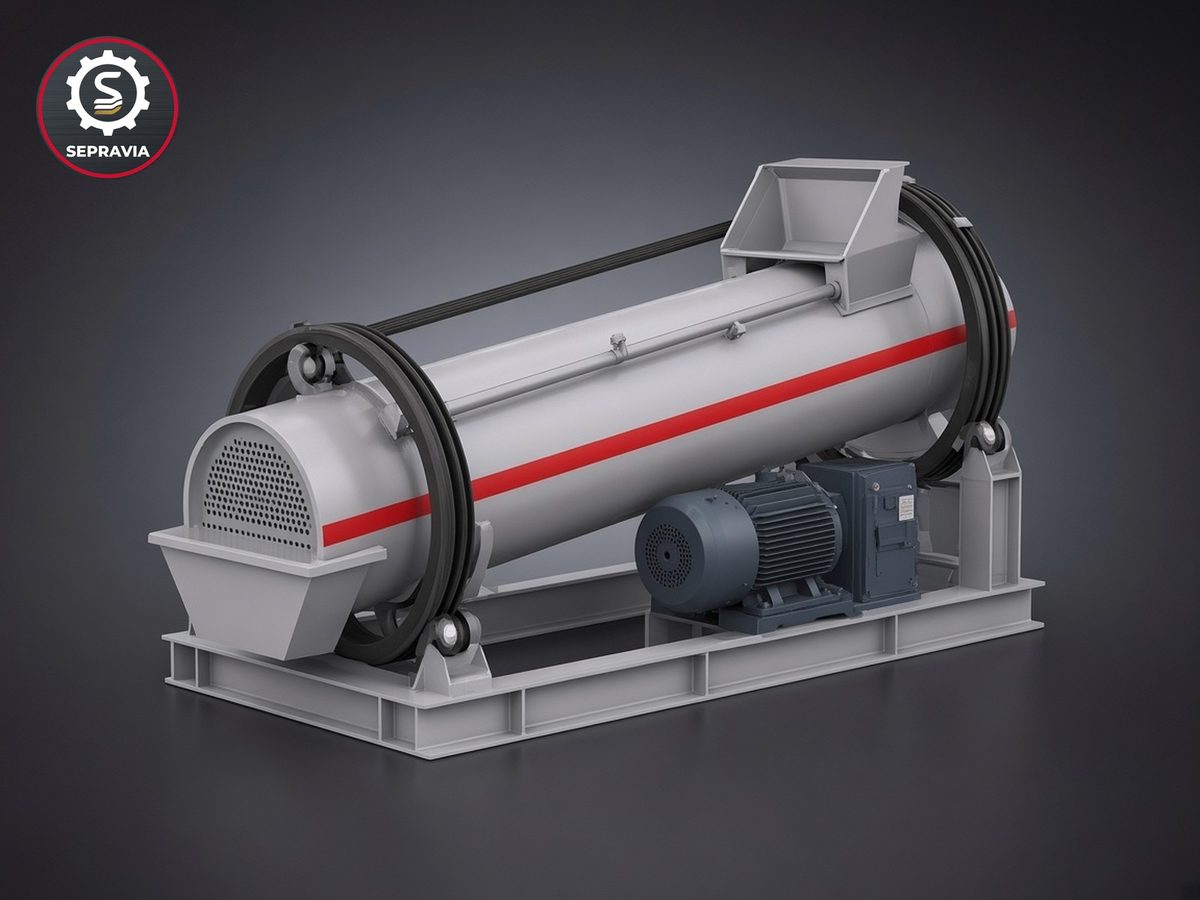
Main equipment: wet drum magnetic separators, ball mills, hydrocyclones, dewatering screens

CYANIDE LEACHING · 04

Cyanide Leaching

Suitable for: Hard-rock gold, gold-silver ore, gold-bearing tailings
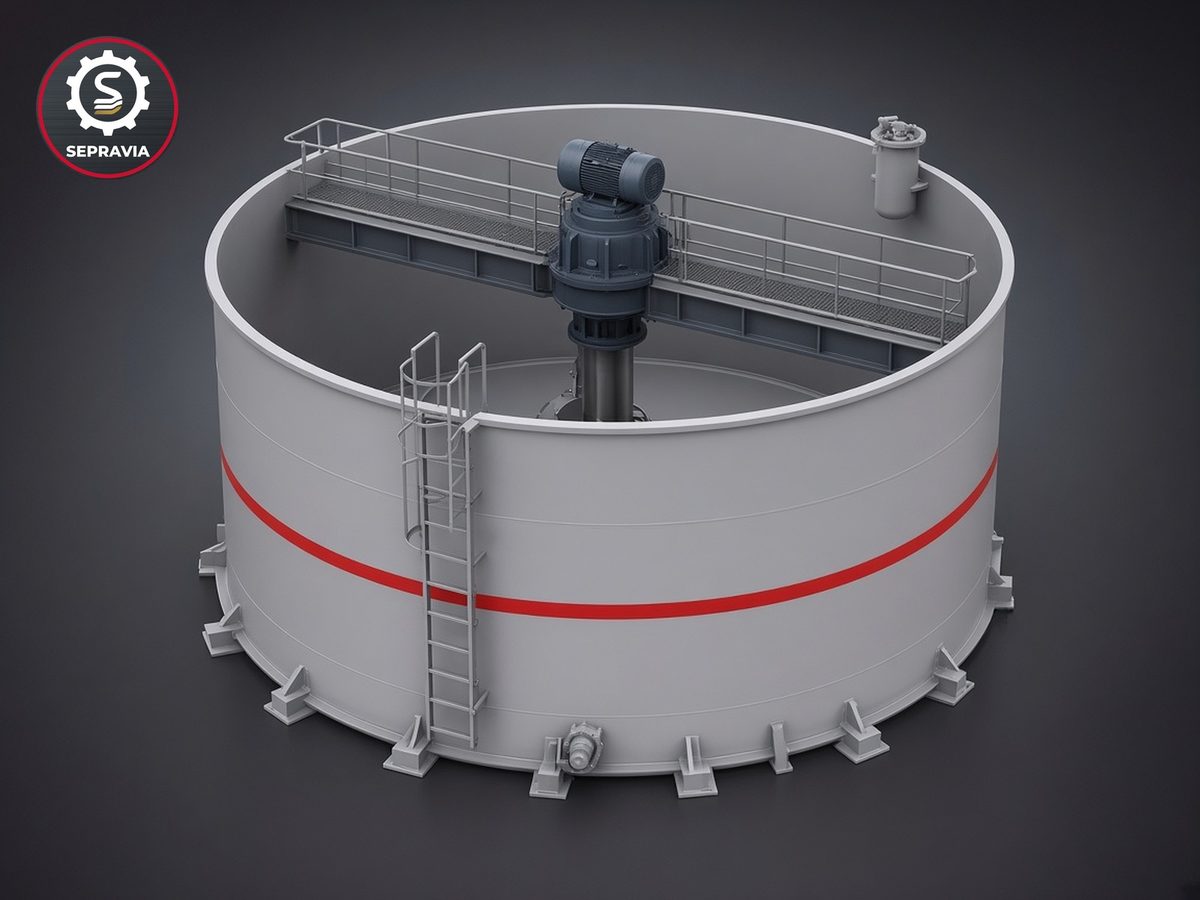
Main equipment: leaching tanks, lift agitation tanks, desorption & electrolysis units
Leaching, adsorption and desorption-electrolysis equipment — we supply equipment and process configuration only.

TYPICAL CONFIGURATIONS

Typical Plant Configurations

General examples only; the actual flowsheet depends on ore testing and site conditions.

Typical gold & silver configurations

Hard-rock CIL · placer gravity · gold-sludge refining equipment

  1. ①Crushing → grinding & classifying → gravity recovery of coarse gold
  2. ②Thickening → leaching & adsorption → desorption-electrolysis → gold-sludge refining

Typical copper configuration (500 t/d)

Three-stage crushing · single-stage closed grinding · 1 rougher, 2 scavengers, 2 cleaners

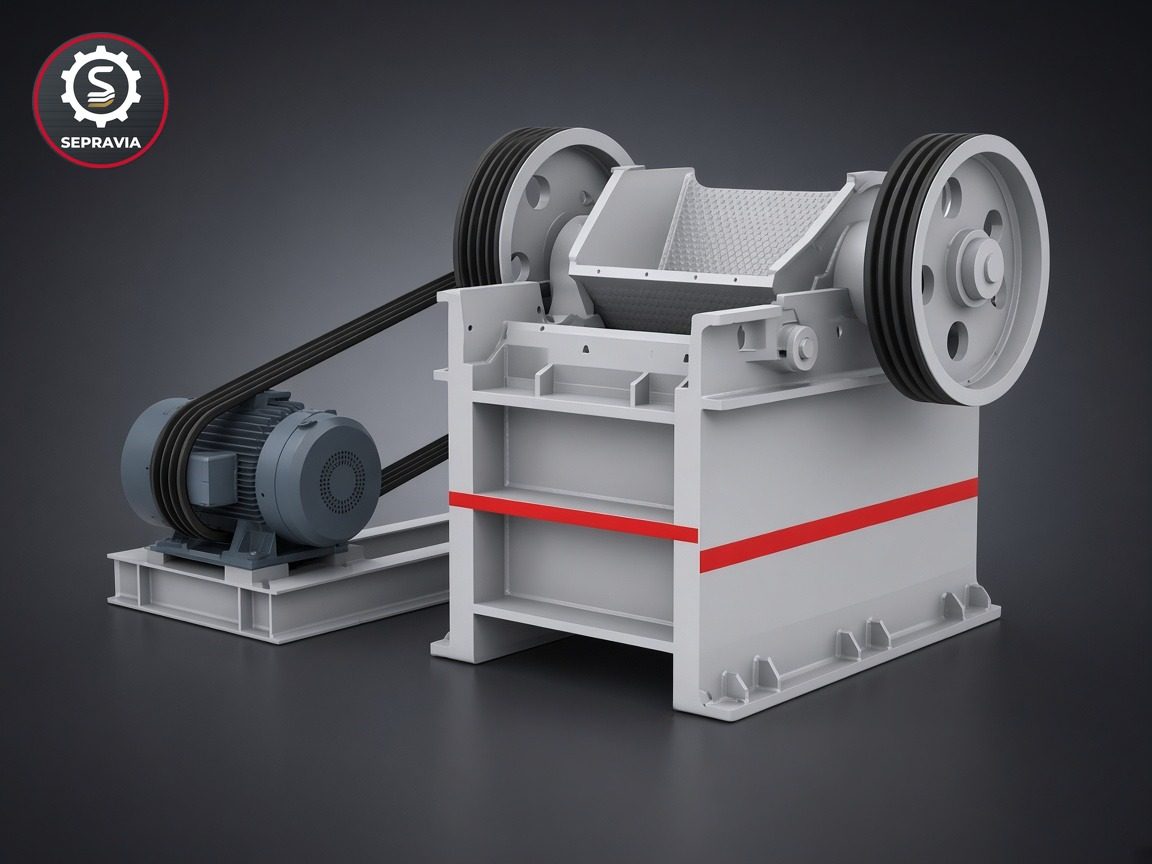
  1. ①Jaw + cone crushers + circular screen → grate ball mill + spiral classifier
  2. ②Two-stage conditioning → flotation → concentrate thickening & filtering, tailings thickening with water recycling
WHY SEPRAVIA

Why SEPRAVIA

Shicheng production base

Equipment is made at the Shicheng production base in Jiangxi, known as China's home of gravity separation equipment.

Selection & process design

We recommend the flowsheet and equipment models to suit your ore, capacity and site conditions.

Single machines or complete plants

From feeding and crushing to separation and dewatering — single machines or a complete line.

Technical support

Process flow design, layout drawings, installation guidance and commissioning support.

HOW WE WORK

How We Work

Seven steps from first discussion to commissioning.

  1. RequirementsOre type, grade, capacity and site conditions
  2. Ore TestingBeneficiation tests where needed to fix the process
  3. Process DesignFlowsheet, equipment selection and layout
  4. QuotationItemised quote with delivery and payment terms
  5. ProductionBuilt to order at the Shicheng base
  6. ShippingPacking, container loading and transport
  7. InstallationInstallation guidance and commissioning support
KNOWLEDGE

Knowledge

Process know-how, equipment principles and plant-building notes to help you plan your project.

26 October 20265 min read

How a Shaking Table Works and How to Adjust It

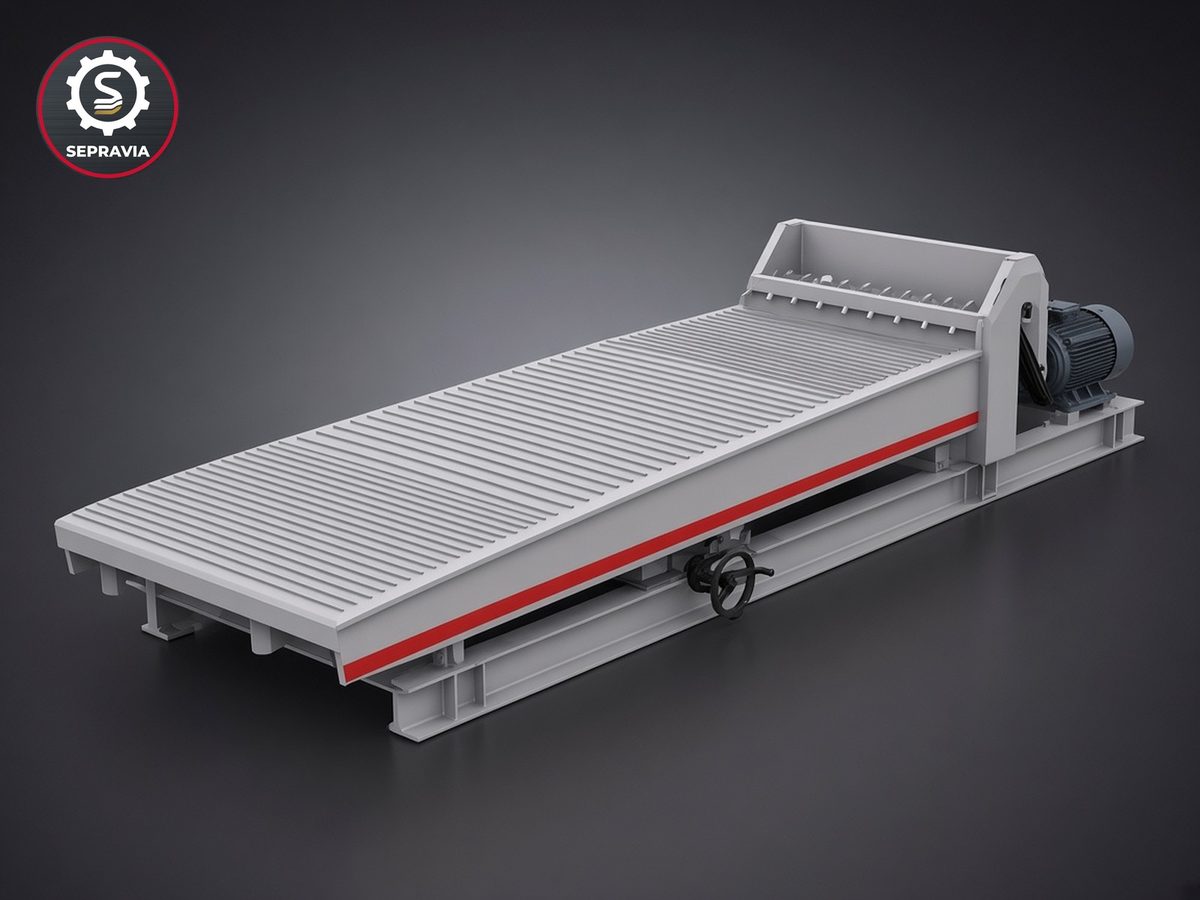
A shaking table separates fine minerals by density using asymmetric reciprocating motion and a cross-flow of water. This guide explains how it works and how it is built, gives typical ranges for stroke, speed, deck slope, wash water, feed density and feed rate, and sets out a step-by-step adjustment method and a troubleshooting table.

Read article →
19 October 20266 min read

Tin Ore Gravity Separation: The Flowsheet Explained

Cassiterite is heavy but brittle and easily overground, so tin is recovered mainly by gravity. This guide covers the typical flowsheet for alluvial and hard-rock tin: stage grinding, hydraulic classification, jigs, spirals, sized shaking-table circuits, slime treatment, and flotation and magnetic cleaning to remove sulfides and iron minerals.

Read article →
FAQ

FAQ

What about lead time, payment and shipping?

These are stated clearly in every quotation.

Do you provide installation and after-sales support?

We provide process flow design, plant layout drawings, installation guidance and commissioning support.

I am not sure which equipment I need. What should I do?

Tell us the ore type, feed size, planned capacity and site water and power conditions. Our engineers will recommend a flowsheet and equipment configuration, with ore testing first where needed.

Can I buy a single machine?

Yes. We quote single machines, individual process sections or complete plants.

What information do you need for a quote?

Ore type and approximate grade, feed size, planned capacity (t/h), site water and power conditions, and the target product. The more complete the information, the more accurate the proposal.

Tell us your ore and capacity — get a configuration and quotation

Our engineers recommend a flowsheet and equipment set based on your ore.

Photo: David Ratledge, Wikimedia Commons, CC BY 4.0