Placer (alluvial) gold forms when gold-bearing rock weathers and the gold is carried and concentrated in river beds, terraces or slope deposits. Most of it is already liberated native gold with a density of roughly 15–19 g/cm³ (lower the more silver it contains), while quartz and other gangue minerals are only about 2.65 g/cm³. With such a large density difference, placer gold is recovered mainly by gravity separation and usually needs no crushing or grinding.
The hard part is rarely the separation itself; it is the washing and the catching. Clay can lock gold inside lumps, fine and flaky gold is easily lost with the water, and boulders and roots disrupt the equipment. A good flowsheet is built around those three problems. Alluvial gold deposits are common in places such as Kalimantan and Sumatra in Indonesia, and clay content and gold size vary a lot from one site to the next, so the flowsheet should always be matched to the ore.
Typical flowsheet
- 01FeedingHopper with grizzly, trough or vibrating feeder
- 02Washing & screeningDrum washer / trommel↳ Oversize gravel → waste
- 03DeslimingDesliming cone / hydrocyclone↳ Slimes → settling pond
- 04RoughingJig / sluice / centrifuge↳ Tailings → tailings area
- 05CleaningShaking table
- 06Final recoveryDrying, magnet, smelting
The diagram shows a general flowsheet; the actual set-up depends on the size distribution, clay content and gold characteristics of your sample. The sections below follow the process step by step.
1. Feeding, washing and screening
Run-of-mine material is loaded into a feed hopper by excavator or loader, usually through a grizzly that keeps out large boulders. Steady feeding is the foundation of a stable plant: if the feed surges and drops, every machine downstream performs worse.
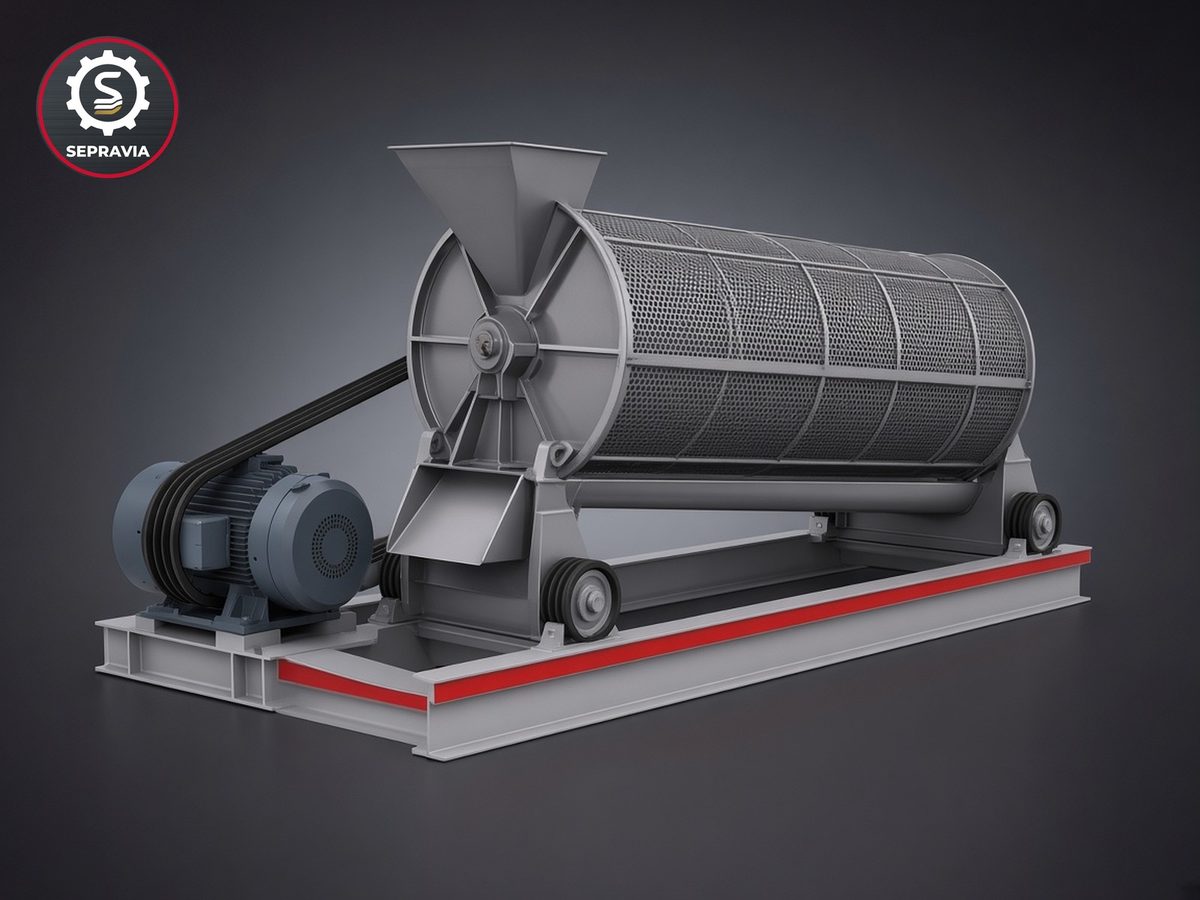
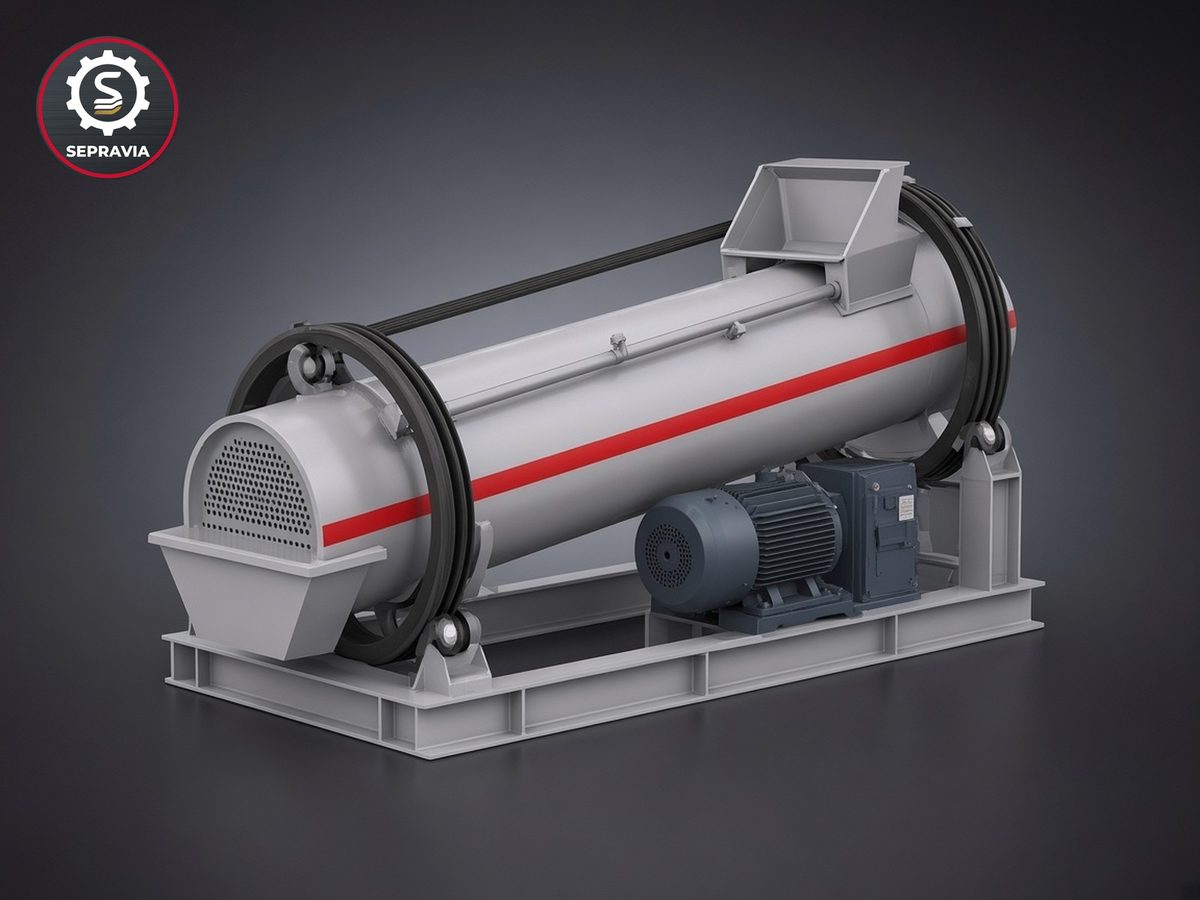
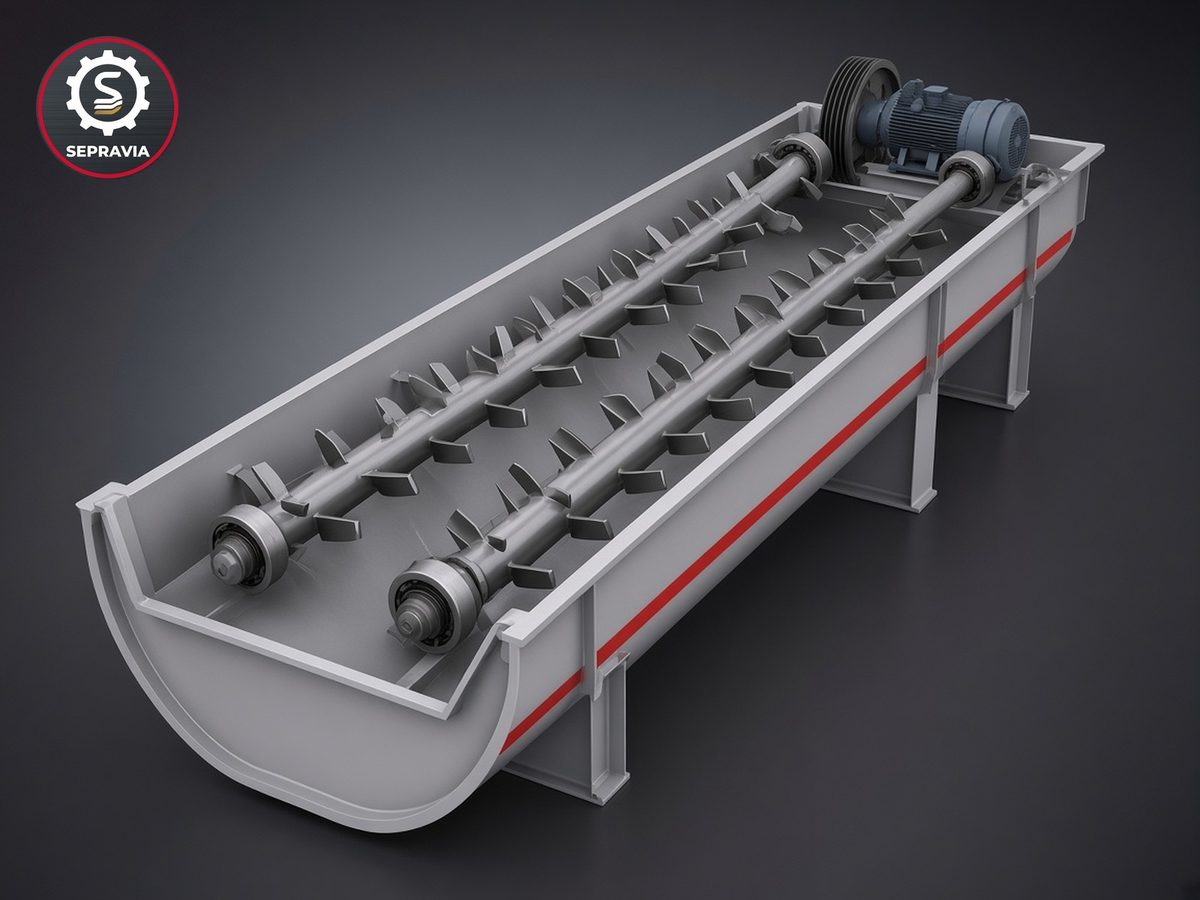
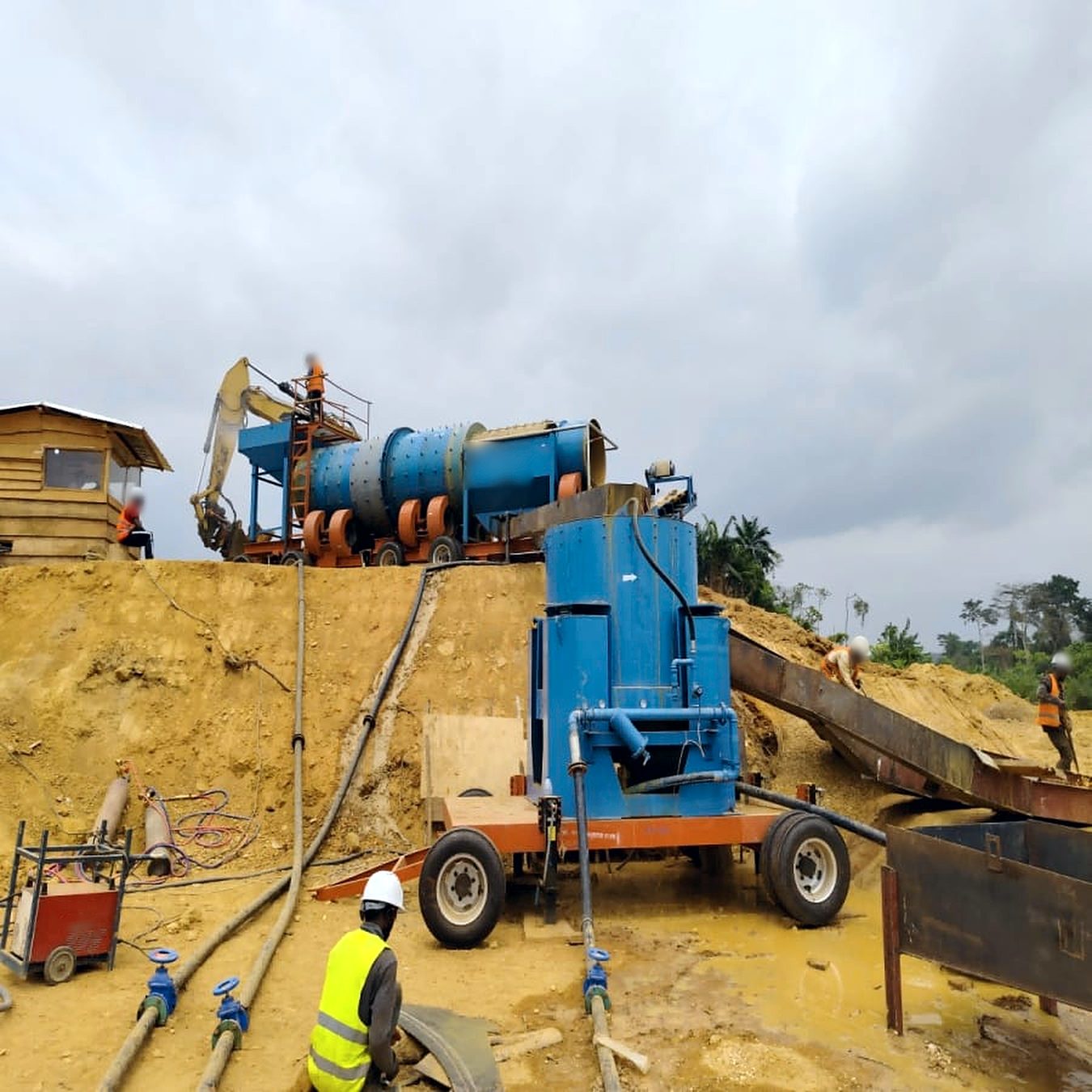
Washing and screening are usually done in a trommel or rotary drum washer. The rotating drum tumbles the material while high-pressure spray water breaks up the clay and rinses gold off the gravel. The undersize slurry goes on to the next stage and the oversize gravel is checked and discarded. Screen apertures are typically 6–12 mm, chosen from the largest gold particles expected and the feed limit of the roughing equipment. Where clay is very sticky, a log washer or attrition scrubber ahead of the trommel gives the material more scrubbing time.
2. Desliming
Fine slimes raise slurry viscosity, compact the jig bed and blur the bands on a shaking table, all of which cut gold recovery. A desliming cone or hydrocyclone is normally used to remove the finest clay. Fine gold can also report to the overflow, though, so sample and assay the slimes before fixing the cut size — do not throw gold away just to make the rest easier to treat.
3. Roughing: jigs, sluices and centrifuges
Roughing rejects most of the light sand and gravel while losing as little gold as possible. The usual options, used alone or in combination, are:
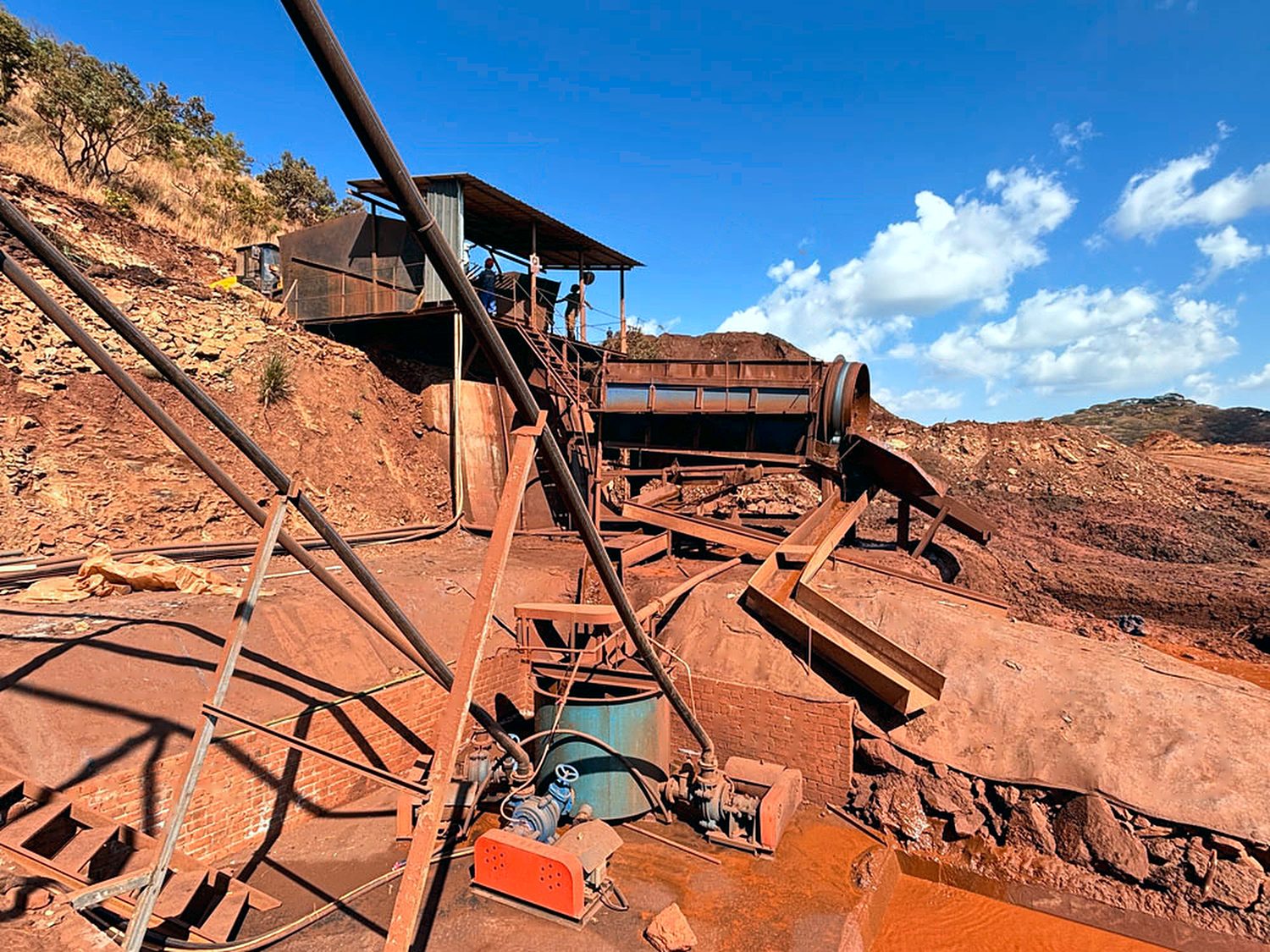
- Jigs — high capacity and a wide size range; well suited to coarser gold and heavy sand, and the most common roughing machine for placer gold.
- Sluices — simple and unpowered, with matting or riffles that trap the gold; good for small and mobile operations, but limited on fine gold and they need regular clean-ups.
- Centrifugal concentrators — centrifugal force boosts recovery of fine gold; often placed after the jig tailings or the sluice to catch fine gold the earlier units miss.
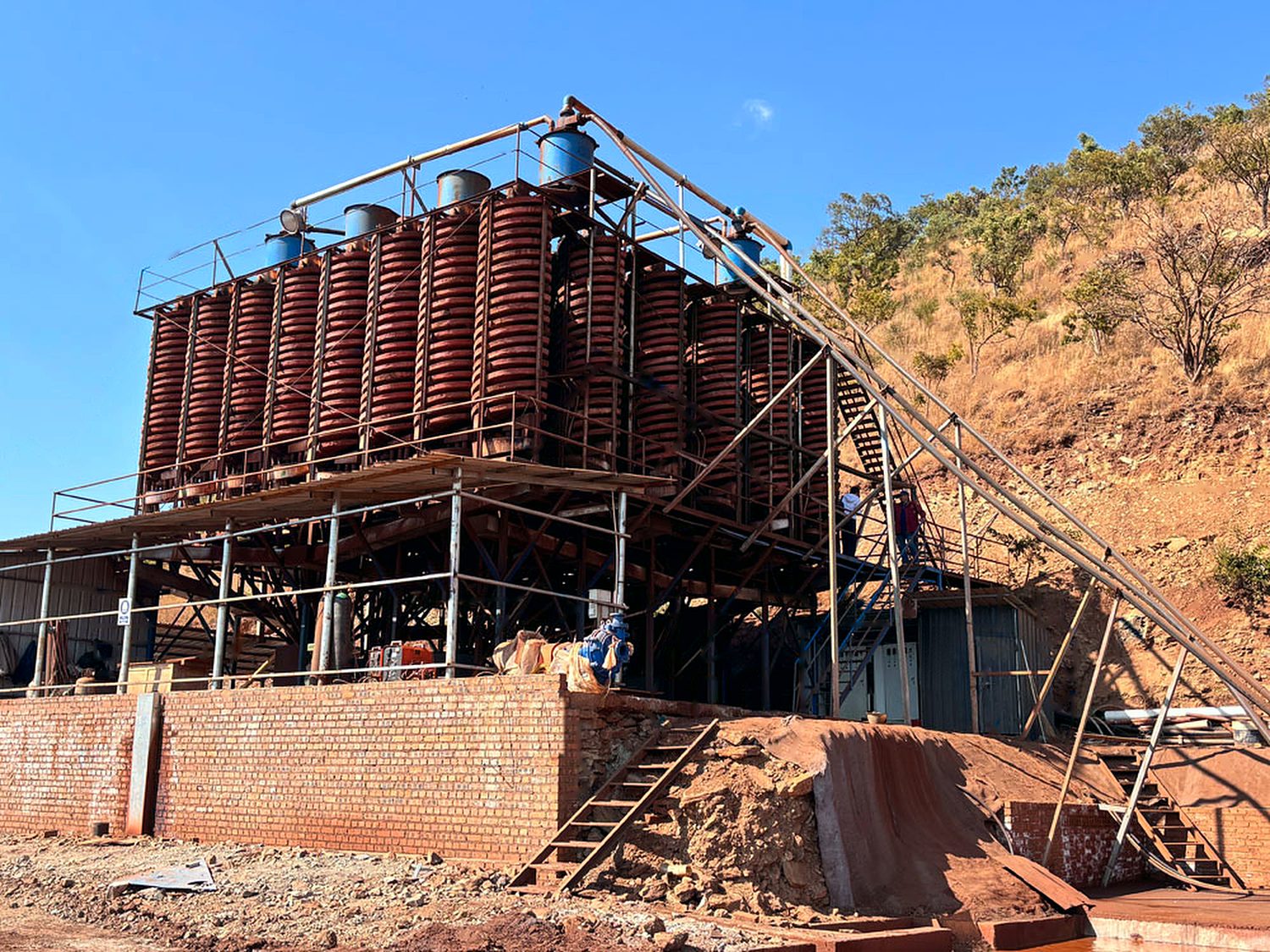
Spiral chutes also appear in placer flowsheets, mainly to pre-concentrate fine heavy sand (black sand). How well they hold flaky fine gold varies from ore to ore, so confirm it with testwork.
| Equipment | Role | Typical feed size | Notes |
|---|---|---|---|
| Trommel / drum washer | Washing, screening | Run-of-mine (boulders removed) | Apertures typically 6–12 mm |
| Sawtooth-wave jig | Roughing | Typically <6 to <25 mm (by model) | High capacity, good on coarse gold |
| Centrifugal concentrator | Roughing / fine-gold scavenging | 0–3 / 0–6 mm | Suited to fine gold |
| Spiral chute | Pre-concentrating fine heavy sand | 0.02–2 mm | No power needed |
| Shaking table | Cleaning | ≤ 2 mm | Visible bands, easy to adjust |
Size ranges are typical catalogue values; final choices depend on testwork and equipment sizing.
4. Cleaning on shaking tables
Rougher concentrate still carries a lot of black sand (magnetite, ilmenite and so on) and other heavy minerals, so it needs cleaning. The shaking table is the usual tool: the gold shows up as a distinct line on the deck, and the operator sets the splitters by eye to take off a high-grade gold concentrate. Splitting the rougher concentrate into a coarse and a fine fraction before tabling usually improves results. For setting up a table, see How a Shaking Table Works and How to Adjust It.
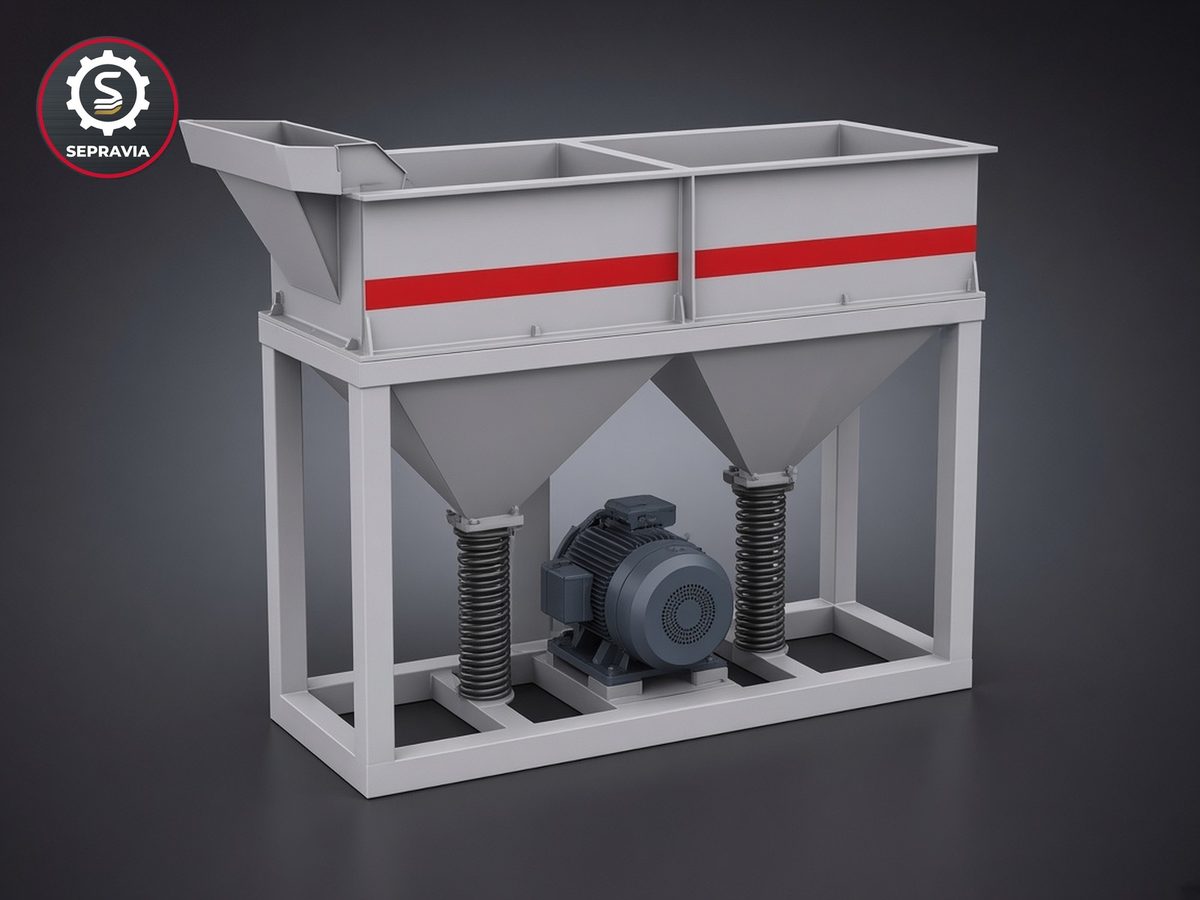 Sawtooth-Wave JigView equipment →
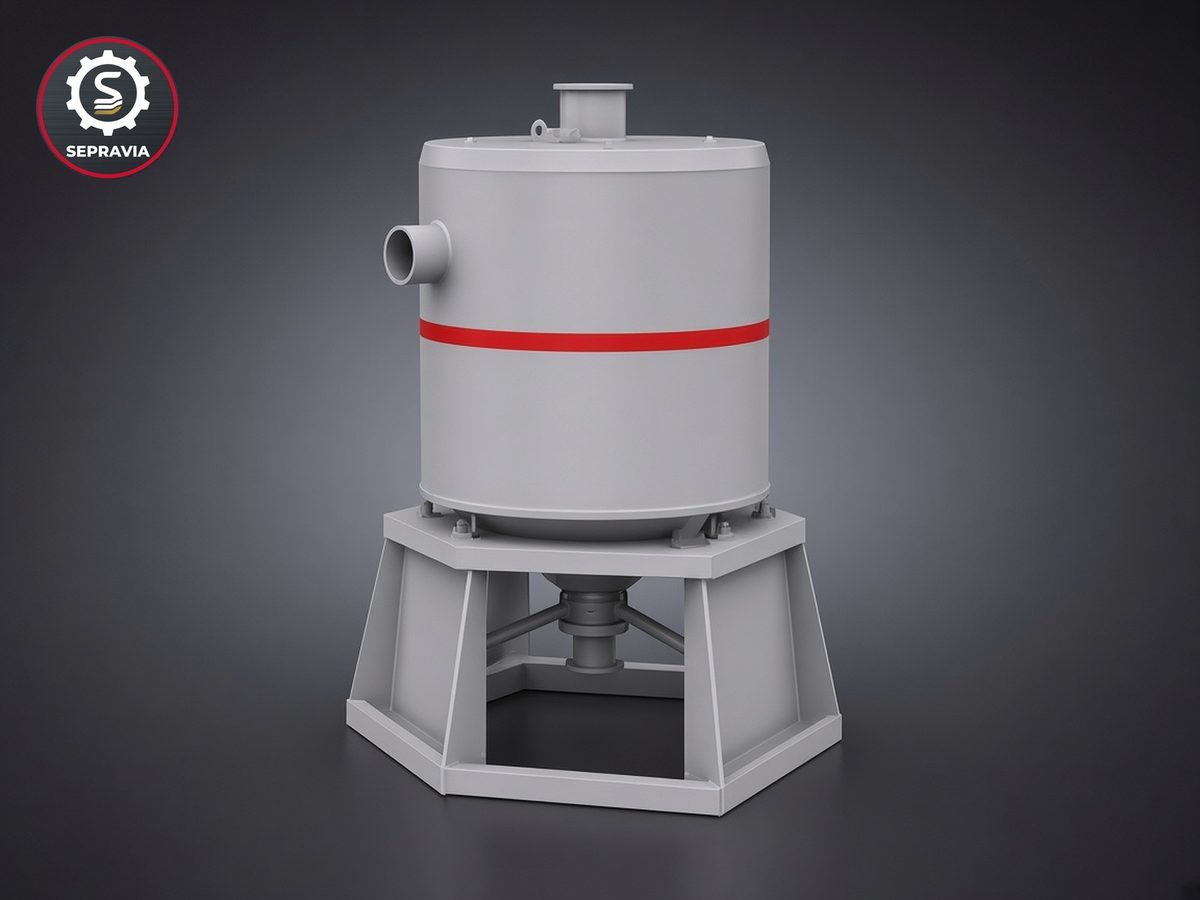 Centrifugal ConcentratorView equipment →
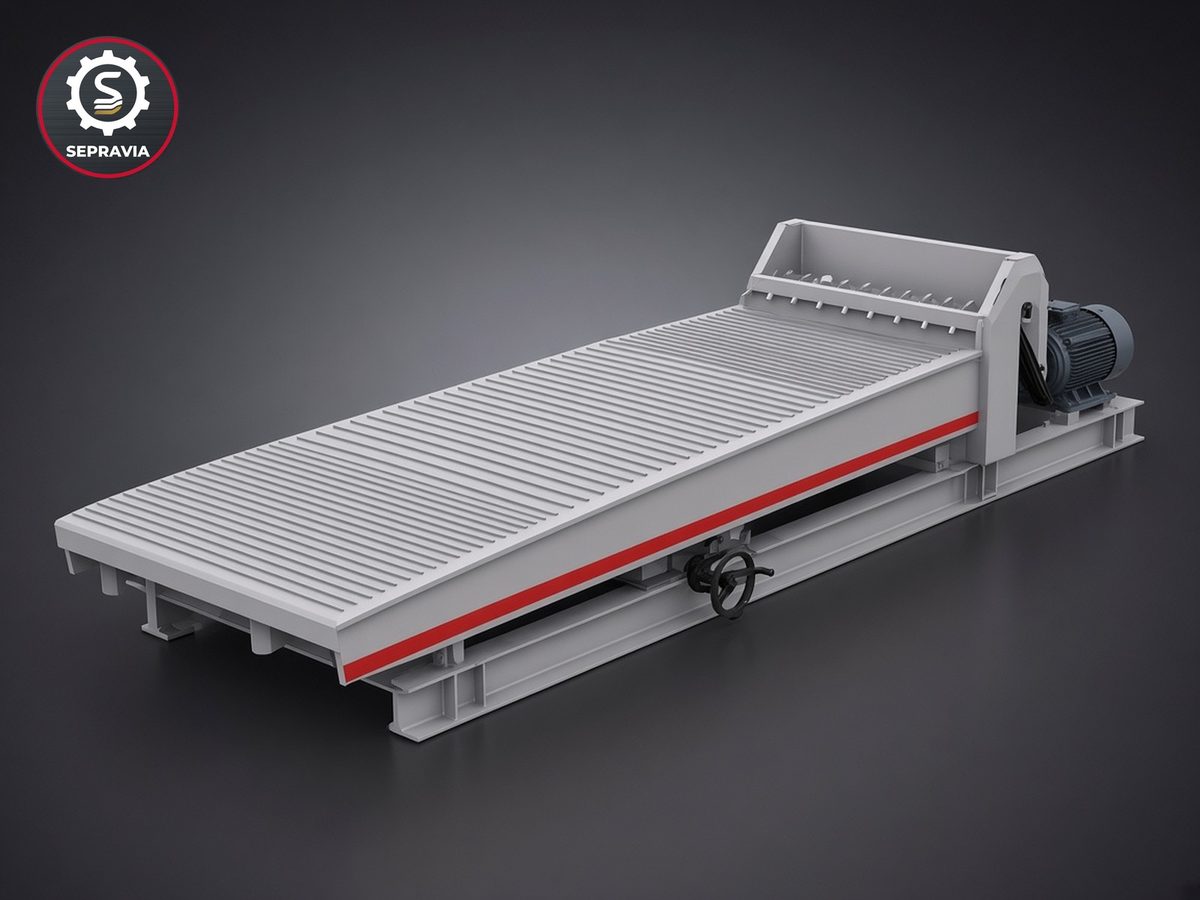 6-S Shaking TableView equipment →
5. Final recovery: drying, magnetic removal and smelting
Table concentrate is dried, magnetic minerals such as magnetite are removed with a magnet, and the remaining concentrate is smelted with a flux such as borax to produce a crude gold bar. The whole route relies on physical separation and smelting — no mercury. Amalgamation is seriously harmful to people and waterways; Indonesia has ratified the Minamata Convention on Mercury and restricts mercury use in small-scale gold mining, so a new project should be designed mercury-free from day one.
6. Water recycling and tailings
Placer plants use a lot of water. The usual approach is a series of settling ponds or a thickener, so silt settles out of the tailings water and the clarified water is pumped back to washing and separation, with only a small top-up of fresh water. This saves water and keeps muddy discharge out of rivers. Tailings sand should go to a designated area so the land can be rehabilitated later.
7. Mobile or fixed plant?
Where the ground is scattered, each pit holds limited reserves and the plant has to follow the mining face, mobile equipment such as a diesel mobile trommel, paired with sluices or jigs, makes a self-contained unit that works without grid power. Where reserves are concentrated and the mine life is long, a fixed plant gives higher capacity, a more complete recovery circuit and a better water-recycling system. The two can also be combined: mobile washing at the front end, with rougher concentrate taken to a fixed cleaning room.
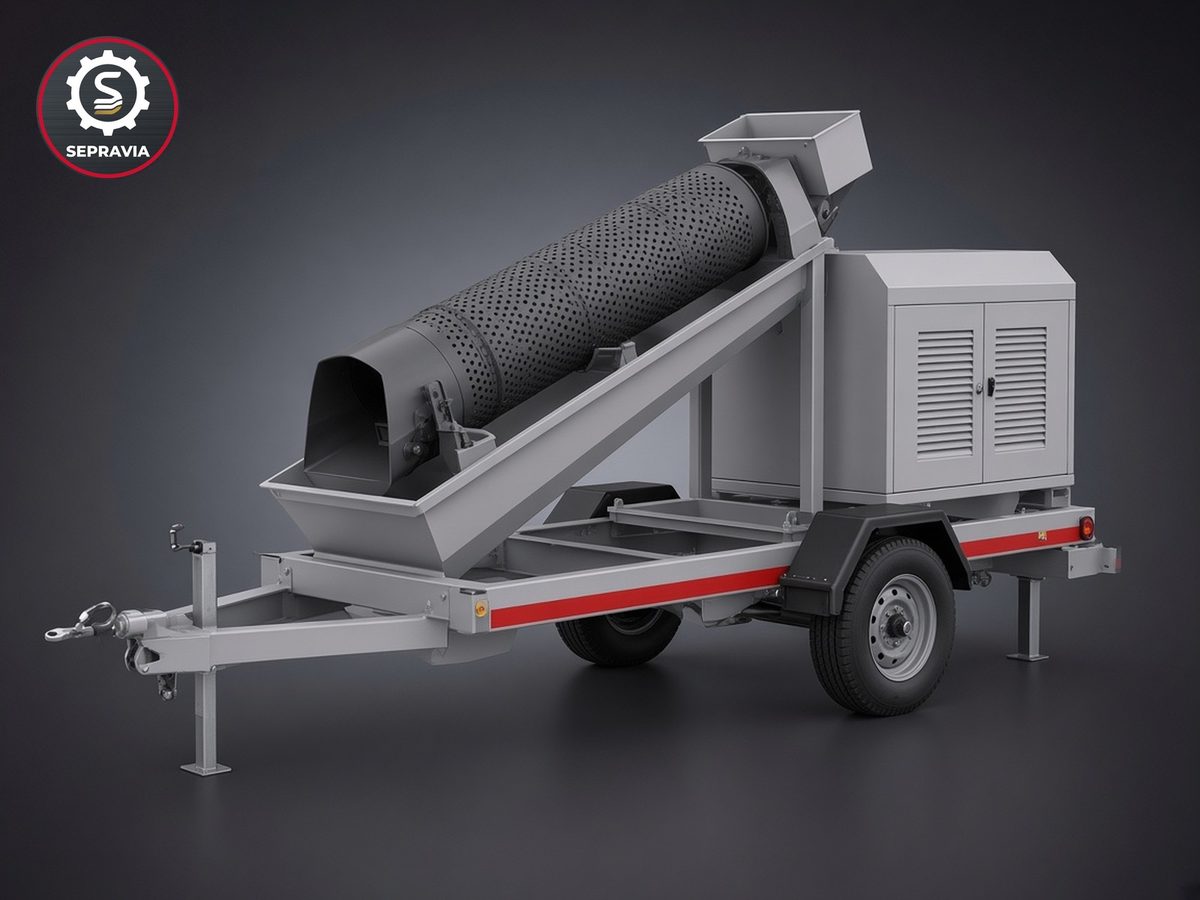 Diesel Mobile TrommelView equipment →
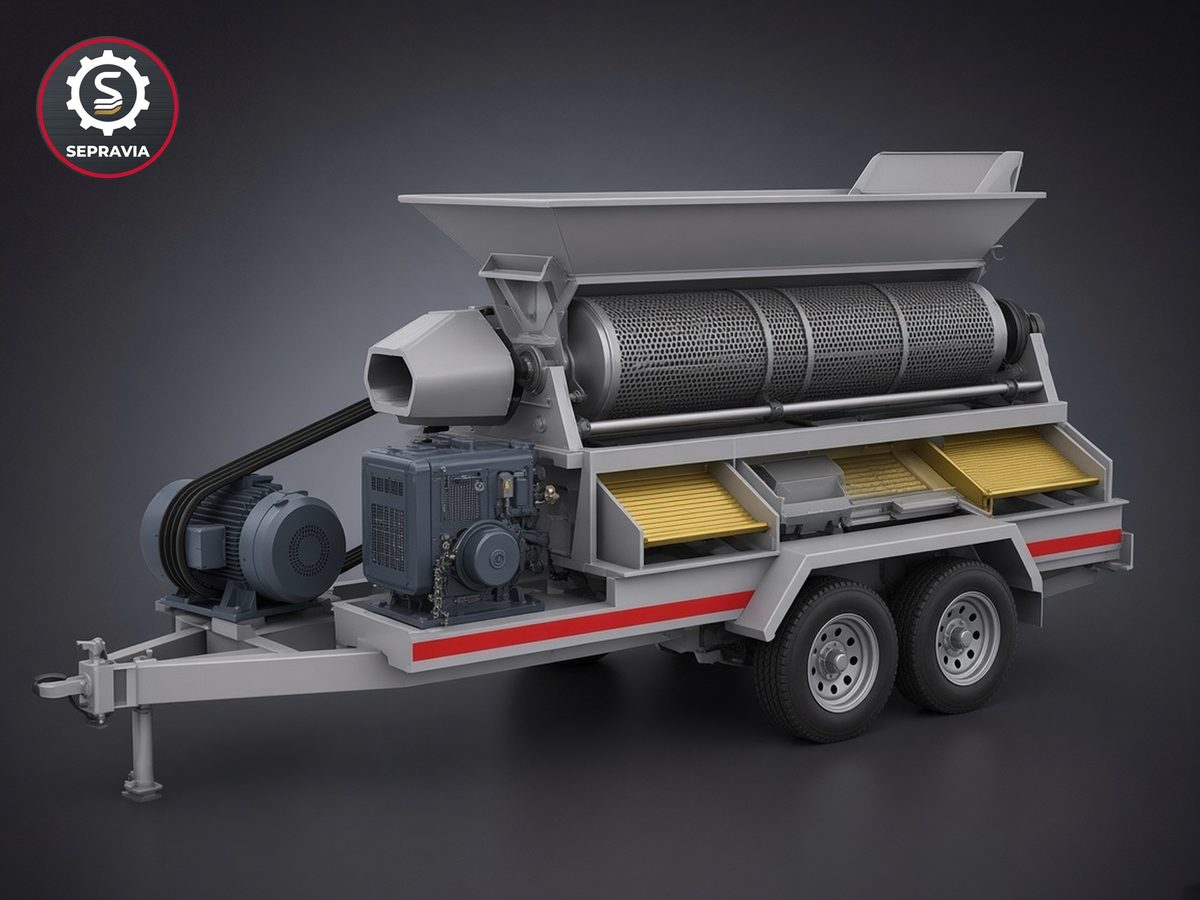 Gold Washing PlantView equipment →
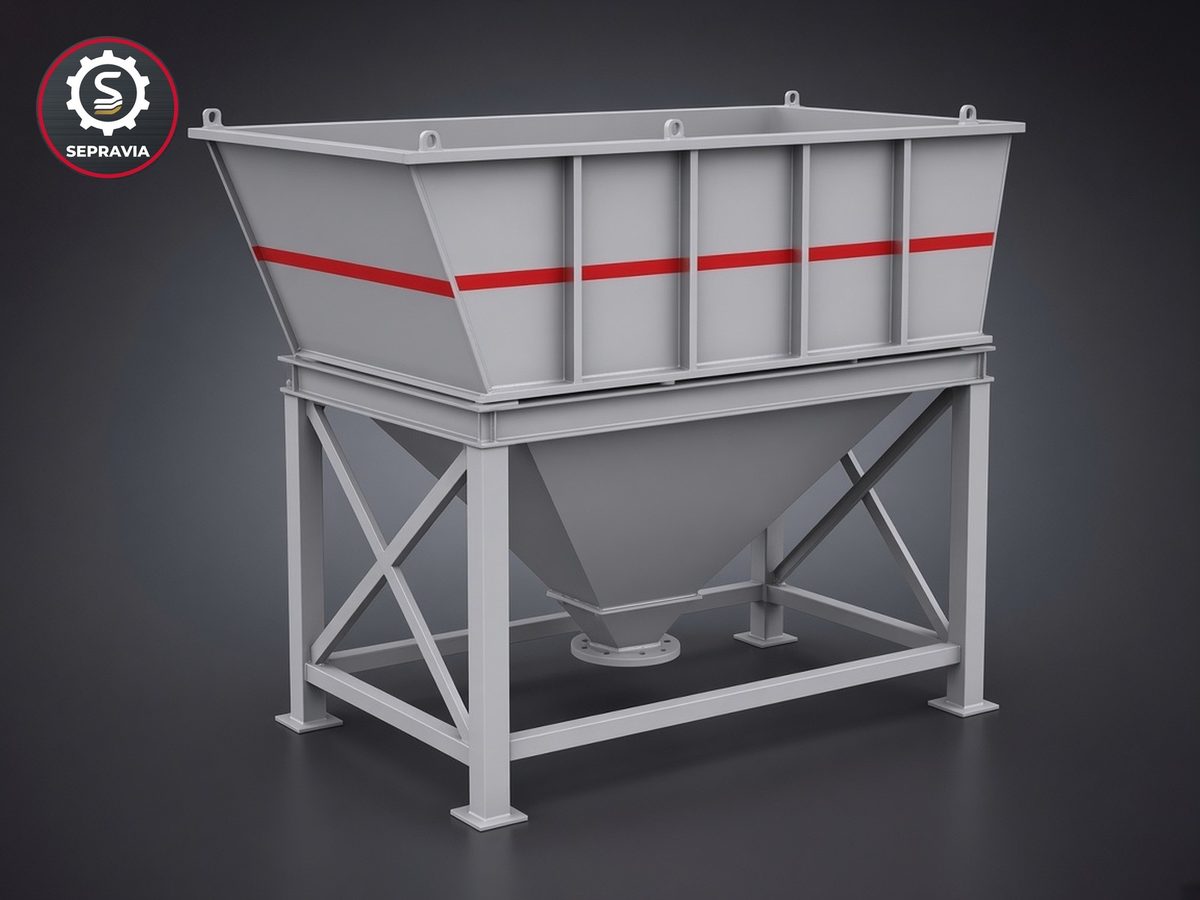 Inclined-Tube ThickenerView equipment →
FAQ
Does placer gold need crushing or grinding?
Usually not. Placer gold is already liberated, so good washing and desliming are enough. If some gold is still locked in cemented gravel, that portion can be crushed separately.
What recovery can I expect?
It depends on gold size and shape, clay content and the equipment set-up, so there is no single figure. Gravity testwork on a sample is the best basis for the flowsheet and the expected results.
How big should a placer plant be?
Size it from the minable reserves, your mining rate and the planned mine life. Send us the ore characteristics and the hourly throughput you have in mind, and our engineers will suggest a matching set-up.
Need a flowsheet and equipment advice for your ore?
Tell us the ore type, feed size, planned capacity and site conditions, and our engineers will recommend a flowsheet and equipment and send a quotation.
Comments
Questions or experience to share? Comments appear after review.
No comments yet — be the first.
Sign in to comment
Used only to verify you; your email is never shown.